Our Reserve Collection

Champagne Collection

8 expressions, each hand-selected, with full tasting notes, legal production profiles, and current pricing.

Buying Guide & Reference Champagne

The Definitive French Champagne Buying Guide

AOC Terroir, Méthode Champenoise, Prestige Cuvées & Buyer Matrix

Champagne is the world's ultimate symbol of luxury, celebration, and winemaking elegance. Produced exclusively in the chalk-rich hillsides of northeast France, authentic Champagne is crafted under the world's strictest viticultural regulations using the time-honored Méthode Champenoise. From vibrant non-vintage aperitifs to legendary decade-aged prestige cuvées and pure Grand Cru Blanc de Blancs, this guide helps you choose the perfect bottle for every momentous occasion.

1. Legal Definition & AOC Geographic Boundaries

Under French Appellation d'Origine Contrôlée (AOC) law established in 1936: • Delimited Region: Must be produced entirely within the delimited Champagne region (spanning the Montagne de Reims, Vallée de la Marne, Côte des Blancs, and Côte des Bar). • Permissible Grapes: Crafted primarily from three noble grape varieties: Pinot Noir (structure and body), Chardonnay (finesse and citrus minerality), and Meunier (round fruitiness). • Méthode Champenoise: Secondary fermentation must take place inside the individual glass bottle, generating natural carbon dioxide effervescence. • Mandatory Lees Aging: Non-vintage champagnes must mature on yeast lees for a minimum of 15 months; vintage champagnes must mature on lees for a minimum of three years (with prestige cuvées often aging 6 to 10+ years in subterranean chalk cellars).

2. Core Styles: Blanc de Blancs, Assemblage & Vintage

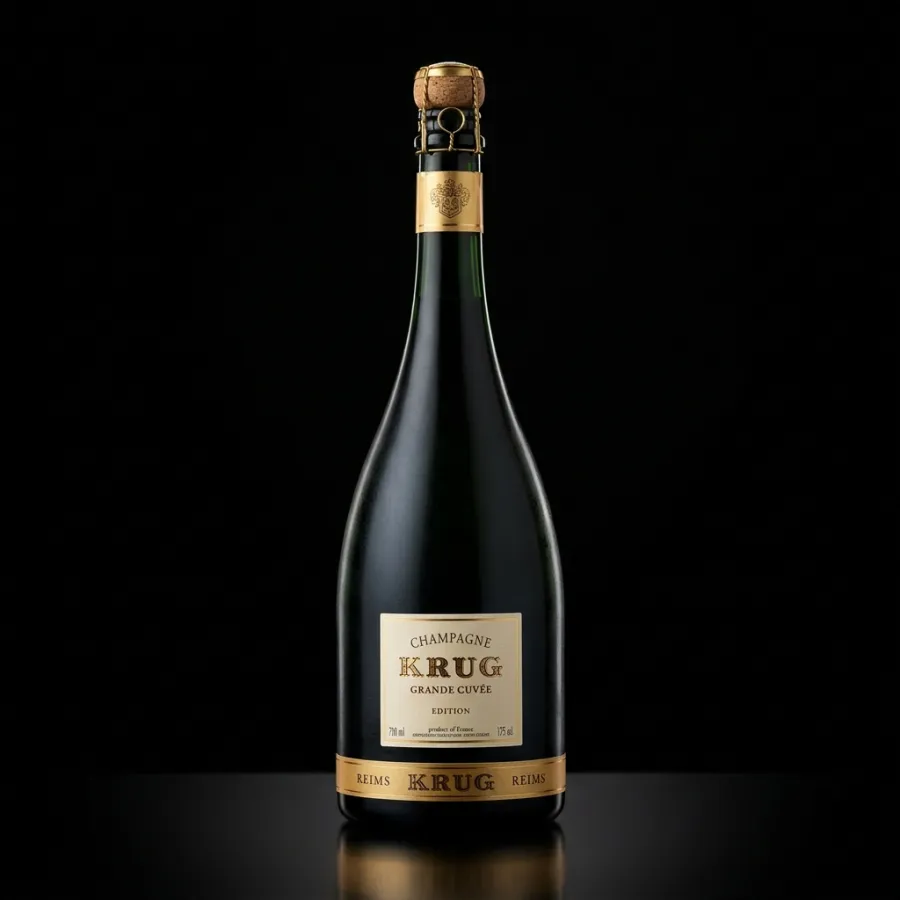
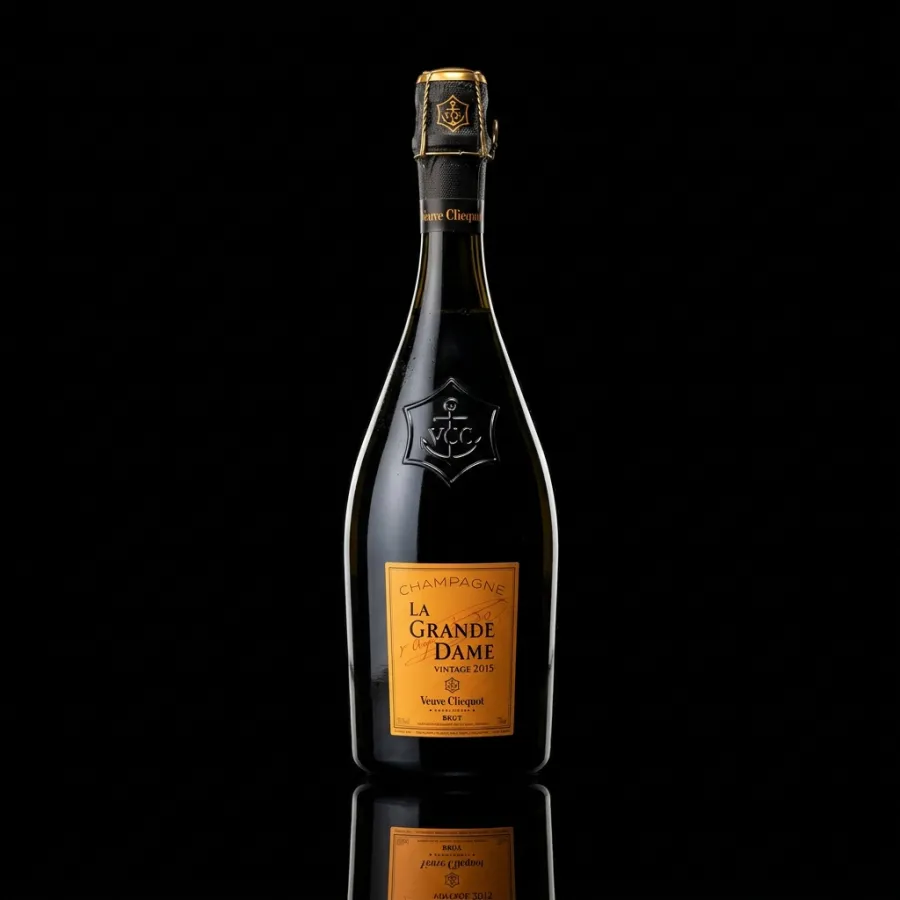
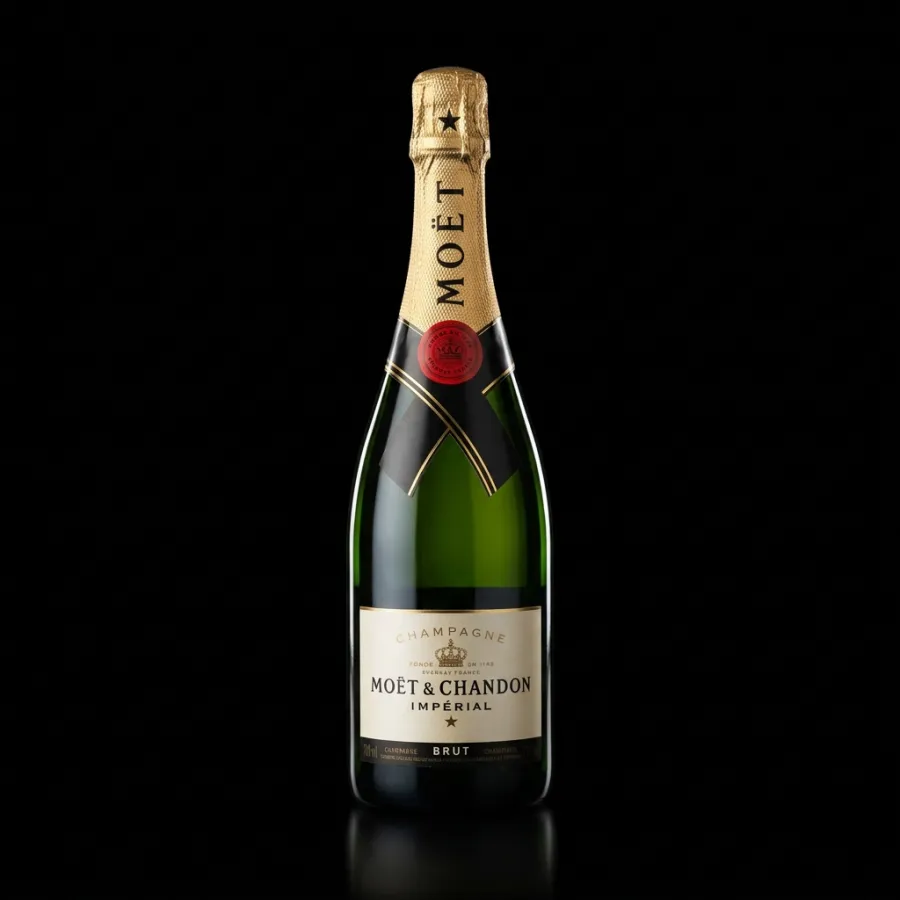
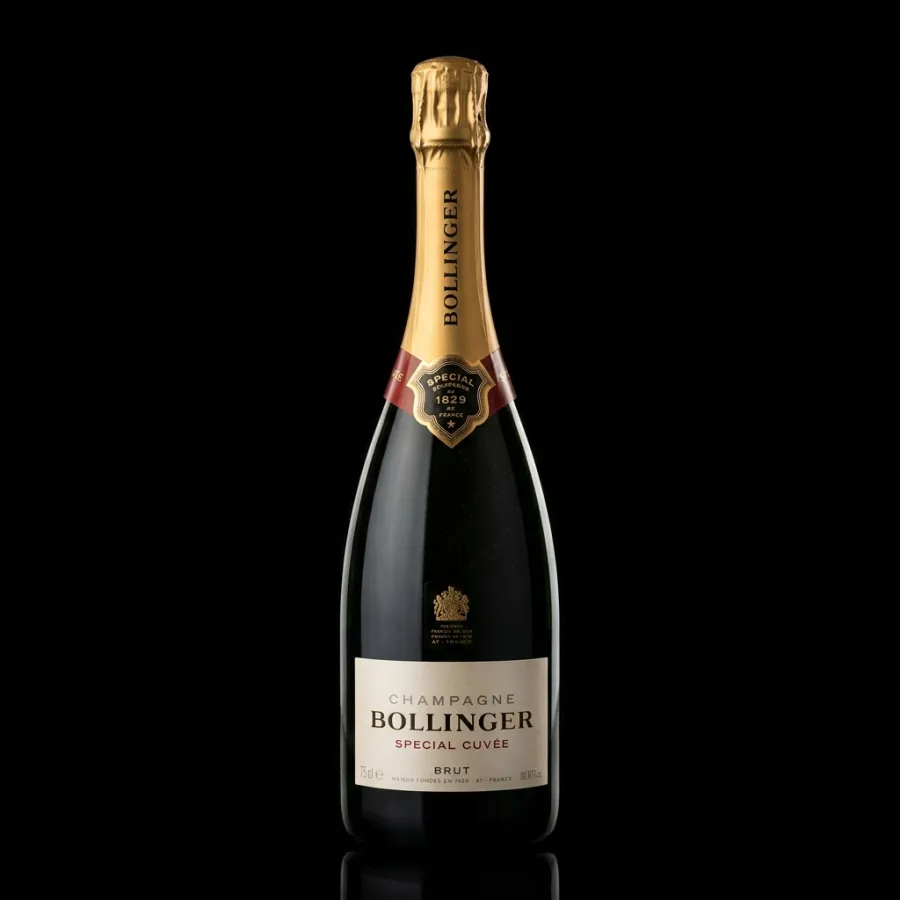
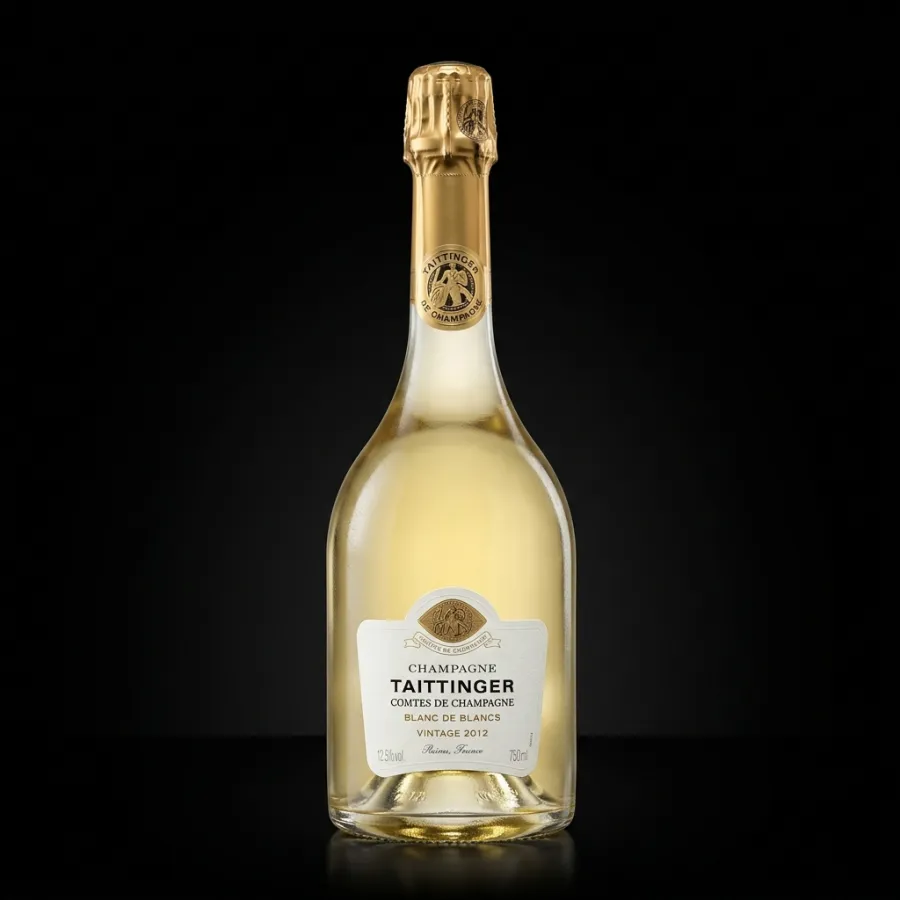
Champagne is produced in several distinct styles: • Brut Non-Vintage (NV): The signature house style, blending multiple harvests and reserve wines for consistent character (e.g., Moët Impérial, Bollinger Special Cuvée). • Blanc de Blancs: Crafted exclusively from 100% white Chardonnay grapes, famously sourced from the chalk Grand Crus of the Côte des Blancs (e.g., Taittinger Comtes de Champagne 2012). Known for crystalline purity, white flowers, and saline minerality. • Pinot-Dominant Prestige Cuvées: Blends dominated by Grand Cru Pinot Noir, offering vinous weight, red berry notes, and structural power (e.g., Veuve Clicquot La Grande Dame 2015, Dom Pérignon 2013). • Multi-Vintage Prestige Masterpieces: Groundbreaking cuvées like Krug Grande Cuvée and Laurent-Perrier Grand Siècle that marry multiple declared vintage years to achieve perfection.

3. The Autolytic Aging Process & Chalk Cellars

The secret behind fine champagne's complex aromas lies in autolysis: • Yeast Breakdown: After secondary fermentation, dormant yeast cells break down over years, releasing amino acids, proteins, and polysaccharides into the wine. • Pastry & Brioche Notes: Imparts luxurious aromas of toasted brioche, roasted almonds, hazelnut praline, and creamy effervescence. • Gallo-Roman Chalk Crayères: Historic houses mature bottles in ancient subterranean limestone quarries beneath Reims and Épernay, providing constant humidity and cool temperatures that nurture sparkling wine to peak maturity.

4. Collector & Buyer Tier Matrix: How to Choose

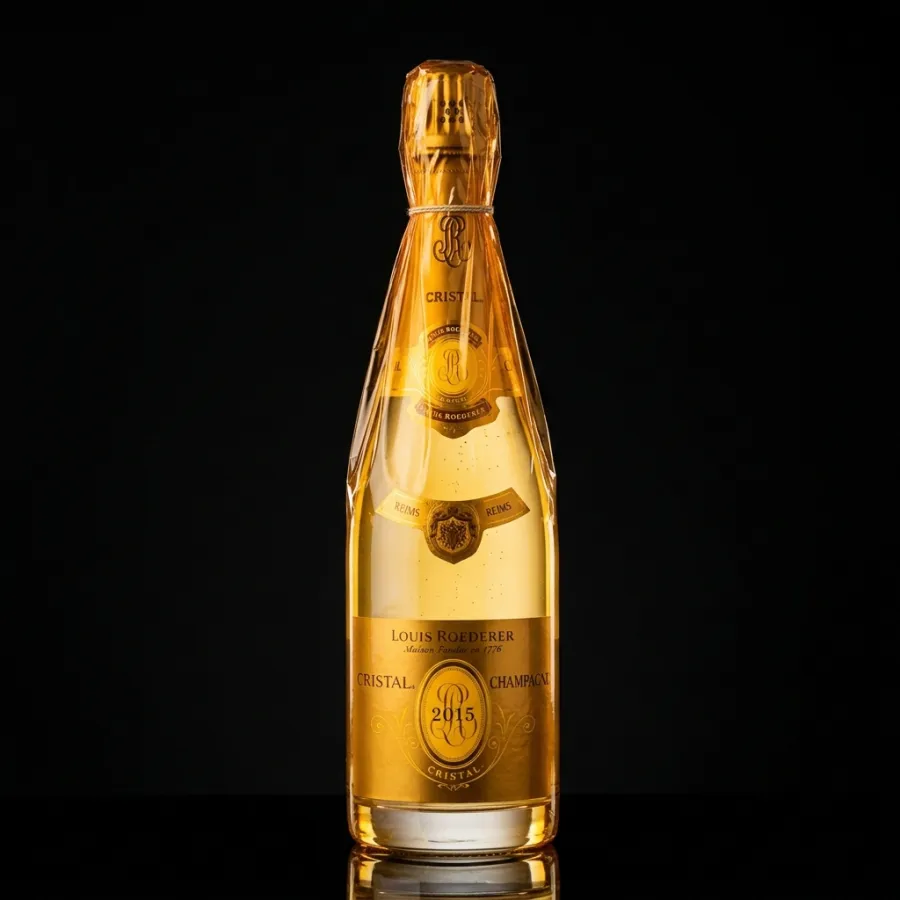
Select the ideal champagne for your celebration or cellar: • Classic Luxury Entertaining ($55–$90): Renowned non-vintage house flagships (Moët & Chandon Impérial Brut, Bollinger Special Cuvée Brut). • Prestige Icons & Vintage Monuments ($200–$350): World-renowned vintage and multi-vintage prestige cuvées (Dom Pérignon Vintage 2013, Veuve Clicquot La Grande Dame 2015, Krug Grande Cuvée 171, Taittinger Comtes de Champagne 2012, Laurent-Perrier Grand Siècle No. 26). • The Sovereign Aristocrat ($350+): The historic cuvée created for Tsar Alexander II (Louis Roederer Cristal 2015).

Frequently Asked Pre-Purchase Questions

What is the difference between Non-Vintage (NV) and Vintage Champagne? ▼

Non-Vintage Champagne is a blend of wines from multiple harvest years combined with older reserve wines to maintain a consistent signature house style. Vintage Champagne is produced exclusively from the grapes of a single exceptional harvest year, aged longer on lees, and declared only when weather conditions produce extraordinary fruit.

What does "Blanc de Blancs" mean? ▼

Blanc de Blancs translates to "white from whites," meaning the champagne is crafted 100% from white Chardonnay grapes. These champagnes are prized for their crystalline elegance, citrus freshness, white floral aromatics, and profound chalk minerality.

Why should fine Champagne be served in a white wine glass instead of a narrow flute? ▼

While narrow flutes preserve bubbles, they severely restrict airflow, trapping complex aromas. Serving fine vintage Champagne in a tulip-shaped glass or standard white wine glass allows the complex bouquet of toasted brioche, hazelnut, and stone fruit to expand and aerate.

How long can unopened vintage Champagne be cellared? ▼

Well-stored prestige and vintage Champagnes (like Dom Pérignon, Cristal, or Krug) easily age and improve in a cool, dark cellar for 20 to 30+ years, developing rich tertiary notes of honey, dried apricot, roasted nuts, and white truffle.