The Complete American Bourbon Buying Guide
Legal Standards, Mash Bills, Cask Science & Buyer Matrix
Bourbon is the undisputed crown jewel of American distilling, carrying a rich heritage that spans more than two centuries. Under federal law, bourbon is recognized as America's Native Spirit—a distinct product of the United States that cannot be produced anywhere else in the world. Whether you are exploring accessible daily sippers, hunting allocated single barrel releases, or acquiring blue-chip investment bottles, understanding how grain composition, charred oak aging, and warehouse microclimates shape flavor is the key to mastering the category.
1. Federal Legal Definition & Production Standards
2. The Three Foundational Mash Bill Styles
3. Single Barrel, Small Batch & Barrel Proof Classifications
4. Collector & Buyer Tier Matrix: How to Choose
Frequently Asked Pre-Purchase Questions
Does older bourbon always taste better than younger bourbon? ▼
Not necessarily. Because bourbon must age in brand-new charred oak barrels, the wood aggressively imparts tannins, lactones, and wood sugars. In hot Kentucky rickhouses, bourbon reaches its optimal balance between grain sweetness and wood complexity between 7 and 12 years. Beyond 15 to 20 years, bourbon risks becoming overly dry, bitter, and over-oaked unless warehoused in cool, temperature-regulated lower floors.
What is the practical difference between Single Barrel and Small Batch bourbon? ▼
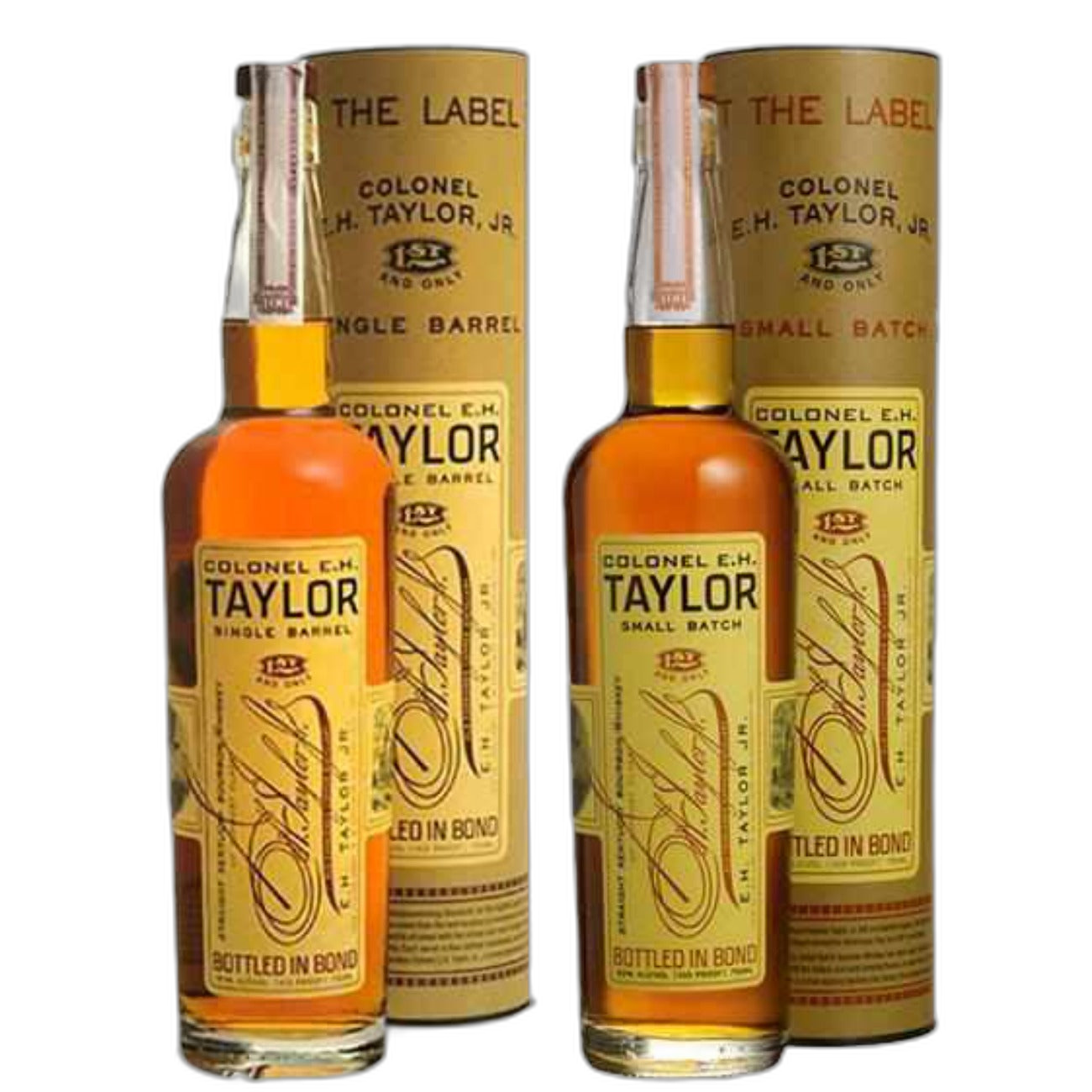
Single Barrel bourbon comes entirely from one standalone cask, celebrating unique barrel-to-barrel variations in proof, wood grain, and warehouse placement. Small Batch bourbon is an artful blend of multiple hand-selected barrels married together by the master blender to maintain consistent flavor profile and balance.
Why does wheated bourbon taste smoother than high-rye bourbon? ▼
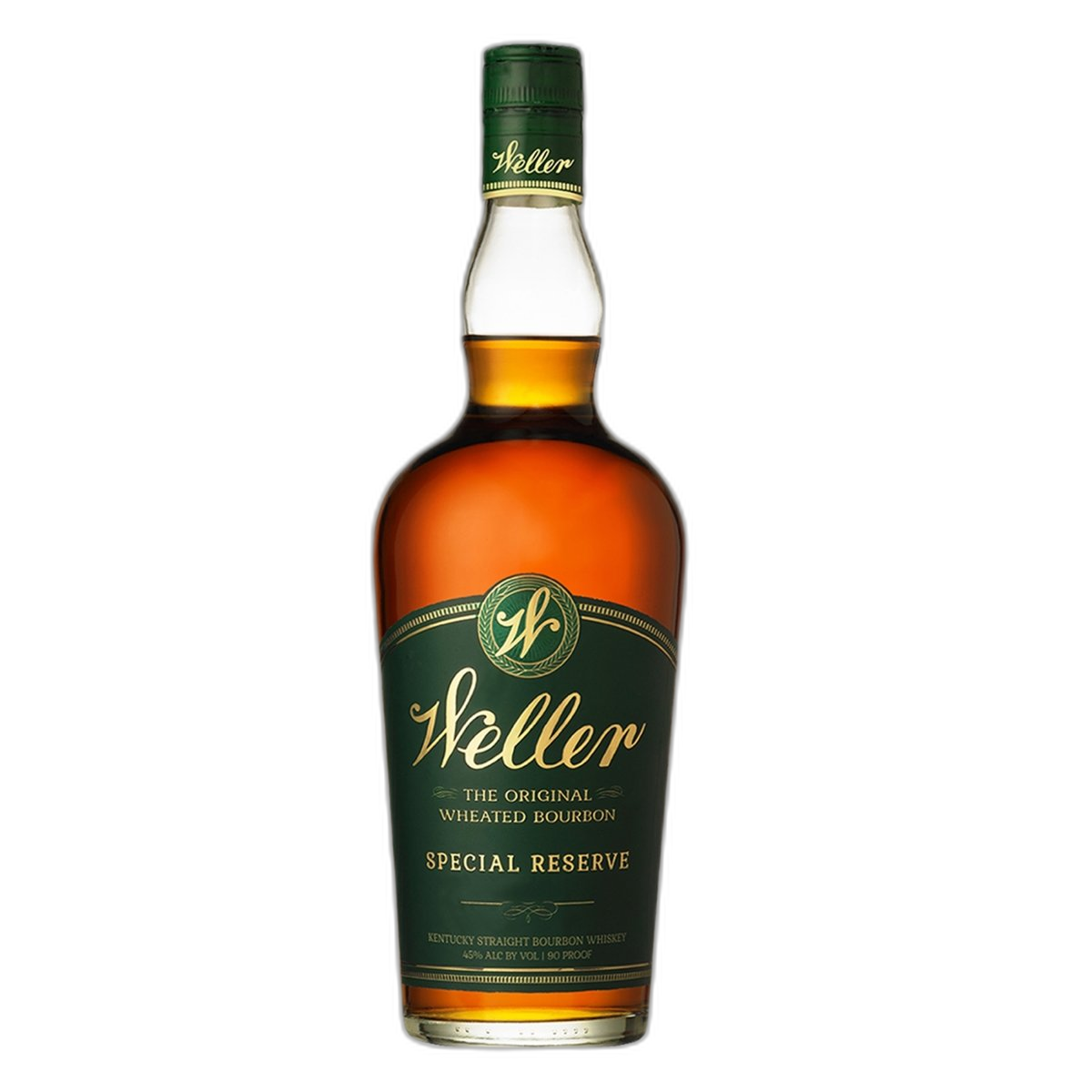
Rye grain contains spicy phenolic compounds and organic acids that create a fiery, peppery, and herbal kick on the palate. Wheat is milder and softer, allowing natural corn sugars, barrel vanillin, and toffee notes to dominate without sharp spice edges, resulting in a gentle, dessert-like texture.
What guarantees does the "Bottled-in-Bond" label provide to buyers? ▼
Established by the Bottled-in-Bond Act of 1897 to combat adulterated liquor, the label guarantees that the whiskey was produced by a single distiller at a single distillery during a single distillation season (spring or fall), aged for at least four years in a federally bonded warehouse, and bottled at exactly 100 proof (50% ABV) with zero additives.