Our Reserve Collection

Rye Collection

7 expressions, each hand-selected, with full tasting notes, legal production profiles, and market retail comparison.

Buying Guide & Reference Rye

The Complete American & Canadian Rye Buying Guide

Grain Bills, Pepper vs. Mint Aromatics, Cask Finishes & Buyer Matrix

Rye whiskey is the bold, fiery ancestor of American whiskey, enjoying an extraordinary revival among craft distillers, cocktail purists, and discerning collectors. Before bourbon rose to prominence in Kentucky, rye was the dominant spirit of colonial Pennsylvania, Maryland, and Virginia. Defined by its assertive grain spice, herbal mint, cracked black pepper, and dry structure, rye is the ultimate choice for full-flavored sipping and classic mixology.

1. Legal Definition & Production Regulations

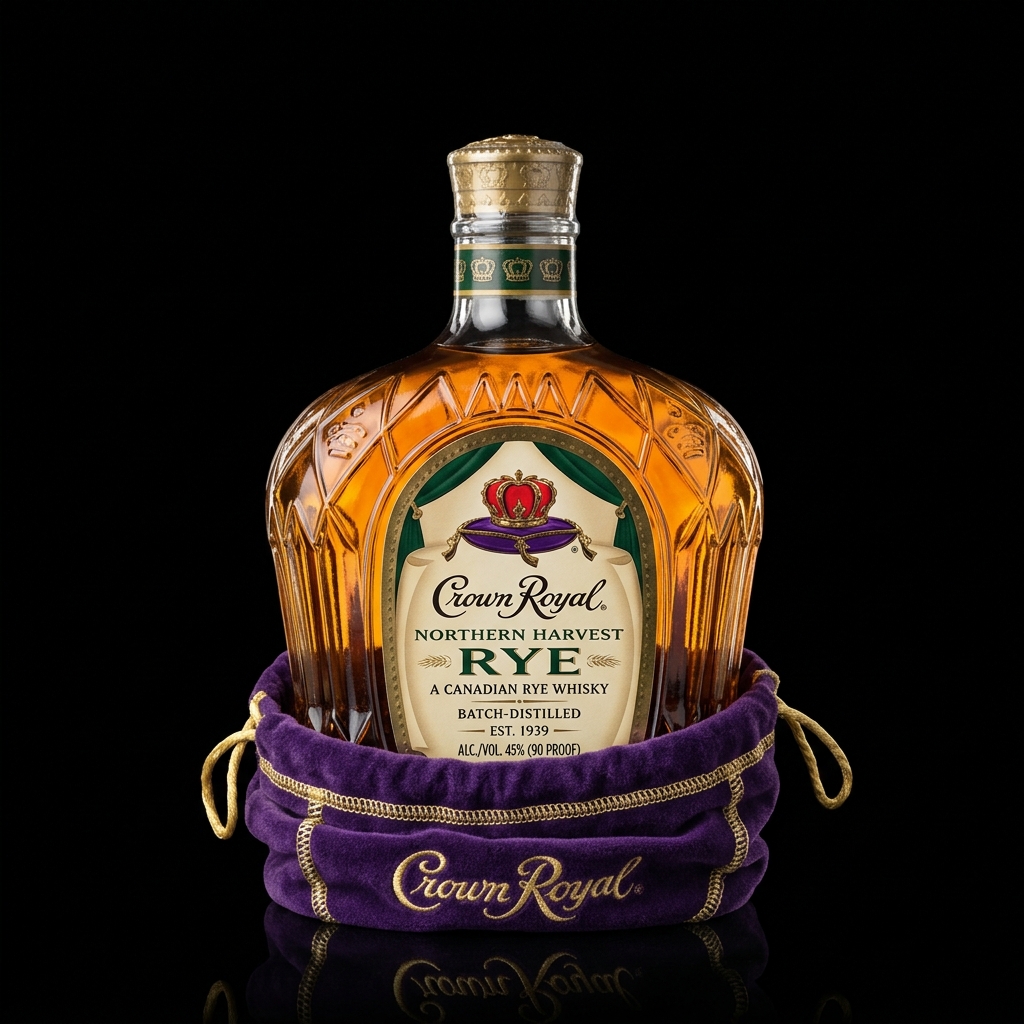
Under US Federal Standards (27 CFR § 5.143), Rye Whiskey must adhere to strict statutory parameters: • Mash Bill: Must contain at least 51% rye grain in the mash recipe, balanced with corn and malted barley. • Distillation & Barreling: Distilled to no more than 160 proof (80% ABV) and barreled at no higher than 125 proof (62.5% ABV). • Oak Requirement: Must mature in brand-new charred oak containers. Reused casks disqualify it from straight rye status. • Straight Rye: Must age for a minimum of two full years in new charred oak. If aged under four years, age statements are legally required. • Canadian Rye Distinction: Canadian whisky historically allows the term 'rye' for blended whiskies that exhibit rye grain character, though modern premium expressions (like Crown Royal Northern Harvest) utilize up to 90% pure winter rye grain grown across the prairies.

2. Kentucky-Style vs. High-Rye (95–100%) Recipes

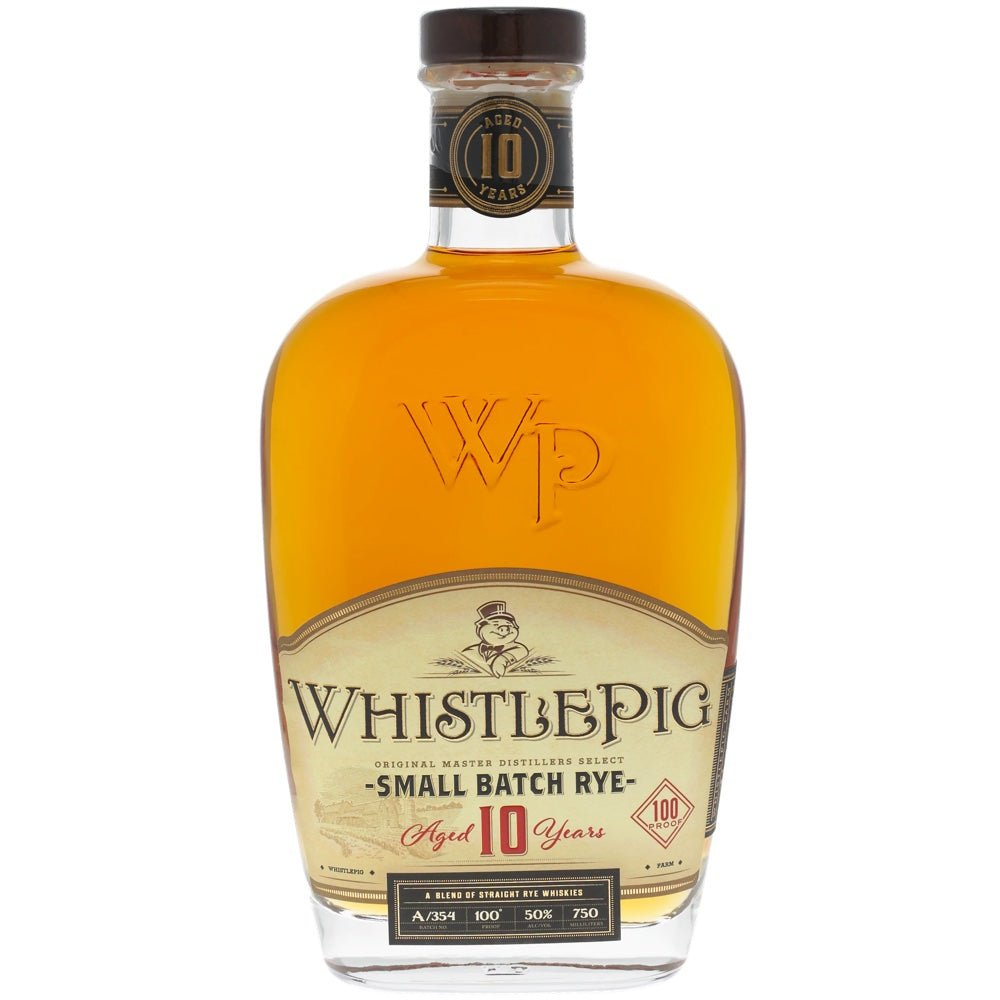
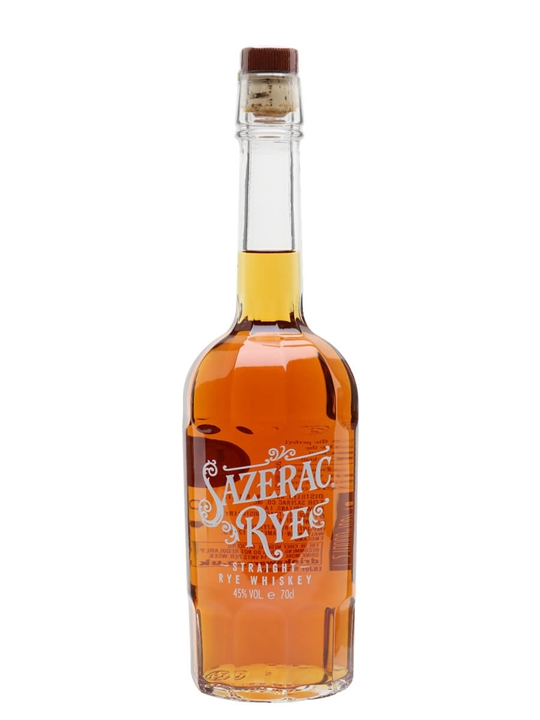
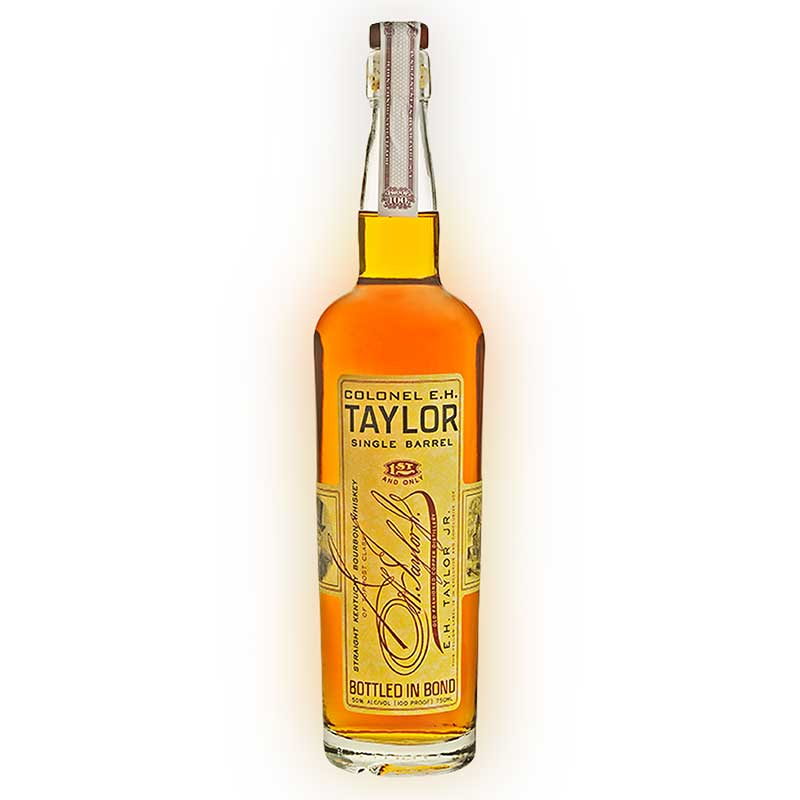
Rye whiskeys fall into two major mash bill philosophies: • Kentucky-Style / 'Barely Legal' Rye (51–65% Rye): Balances 51% rye with a high proportion of corn and malted barley (e.g., Sazerac Rye, Rittenhouse Bottled-in-Bond, Colonel E.H. Taylor Straight Rye). Delivers spicy clove and black pepper balanced by sweet corn caramel, making it exceptionally versatile for sipping and mixing. • High-Rye & 100% Pure Rye (90–100% Rye): Pure, uncompromising rye power (e.g., WhistlePig 10 Year, Crown Royal Northern Harvest). Erupts with intense notes of fresh spearmint, clove, ginger root, cracked peppercorns, dark chocolate, and gingerbread.

3. Fortified Wine Cask Finishing & Craft Distilling

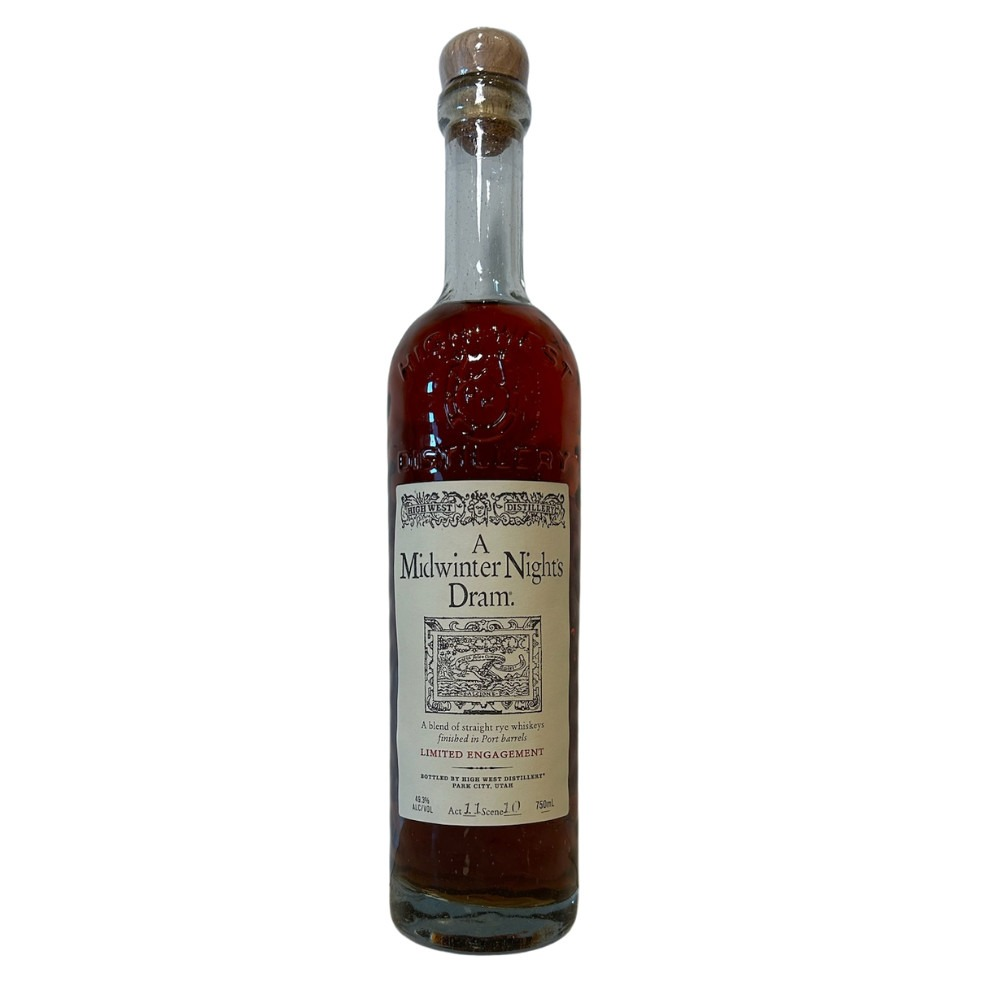
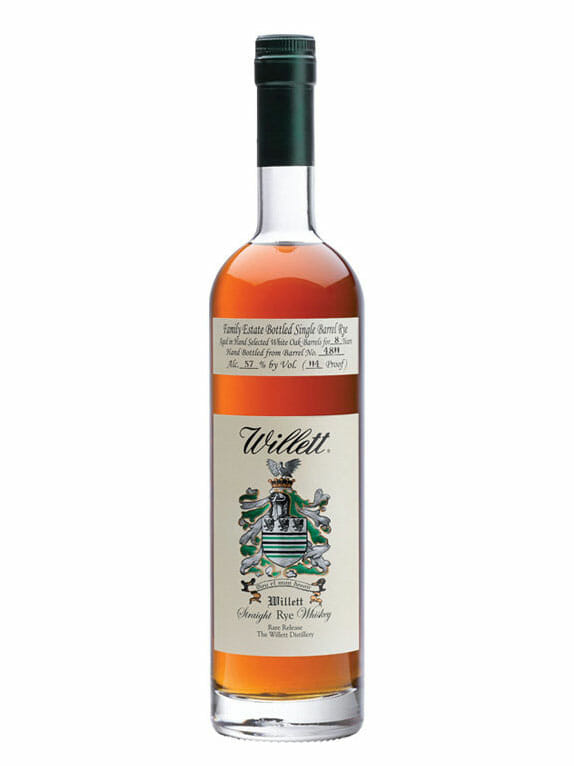
The assertive spice of rye makes it the perfect canvas for creative cask finishing: • Port Wine Finishing: High West\'s cult masterpiece A Midwinter Night\'s Dram marries straight rye with French oak Ruby and Tawny Port barrels, infusing fiery rye spice with stewed plums, mulling spices, and dark chocolate. • Estate Craft Distilling: Independent icons like Willett Distillery in Bardstown hand-craft cask-strength rye from estate pot stills, blending high-rye and low-rye mash bills for unadulterated flavor density and minty fresh complexity. • Bonded Precision: Heavily regulated expressions like Rittenhouse Bottled-in-Bond adhere to strict 100-proof government standards to guarantee maximum cocktail structure and unyielding character in craft mixology.

4. Collector & Buyer Tier Matrix: How to Choose

Build your rye whiskey collection across these essential categories: • The Bartender\'s Champions ($30–$45): Essential 100-proof and 90-proof staples for classic cocktails (Rittenhouse Rye Bottled-in-Bond, Sazerac Straight Rye) that cut cleanly through mixers. • Estate & Award-Winning Expressions ($50–$90): Standout craft and large-scale masterworks with peerless pedigree (Willett 4 Year Estate Rye, Crown Royal Northern Harvest Rye, Colonel E.H. Taylor Straight Rye). • Ultra-Premium & Cult Collector Trophies ($100–$160): Opulent, aged, and fortified-wine finished collector treasures (WhistlePig 10 Year Small Batch, High West A Midwinter Night\'s Dram) designed for neat fireside contemplation.

Frequently Asked Pre-Purchase Questions

Why is rye whiskey preferred over bourbon for classic cocktails?

Rye's bold, spicy, and peppery grain profile cuts cleanly through sweet vermouth in a Manhattan, stands tall against sugar and bitters in an Old Fashioned, and balances absinthe in a Sazerac, preventing cocktails from tasting overly sweet or cloying.

What is the flavor difference between 51% rye and 100% rye mash bills?

A 51% rye mash contains a large amount of corn, yielding a sweeter, bourbon-adjacent profile with subtle pepper and baking spice. A 100% rye mash contains zero corn, delivering an intense, dry, herbal profile dominated by spearmint, ginger, clove, and cracked black pepper.

What does "Bottled-in-Bond" mean for rye whiskey?

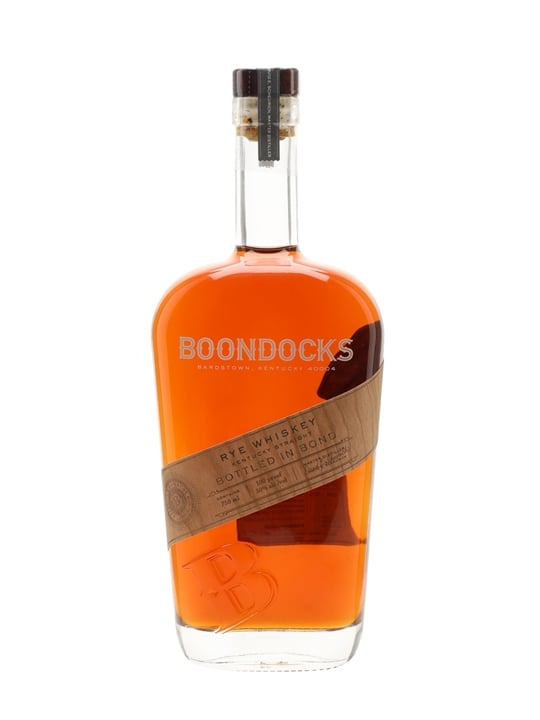
It guarantees that the rye was made by one distiller at one distillery in a single season, aged for at least four years in a federally bonded warehouse, and bottled at exactly 100 proof (50% ABV) without additives, representing the gold standard of value and authenticity.

How does port cask finishing transform rye whiskey?

Secondary maturation in port wine casks softens the sharp pepper and alcohol edges of rye, infusing the spirit with dark berry fruits, raisins, plum pudding, and French oak tannins that create an opulent holiday spice profile.