Our Reserve Collection

Tequila Collection

8 expressions, each hand-selected, with full tasting notes, legal production profiles, and market retail comparison.

Buying Guide & Reference Tequila

The Complete 100% Blue Agave Tequila Buying Guide

NOM Regulations, Tahona vs. Diffuser, Aging Tiers & Buyer Matrix

Tequila is experiencing a revolutionary global transformation, moving far beyond party shots into the upper echelons of luxury sipping spirits. Handcrafted in Mexico from mature Blue Weber agave, authentic 100% agave tequila offers an extraordinary spectrum of sensory complexity that rivals the finest single malts and cognacs. From additive-free ancestral tahona-crushed blancos and reposados to multi-barrel extra añejo masterpieces, this guide provides the definitive playbook for discerning tequila buyers.

1. Legal Standards: NOM-006 & Denomination of Origin

Under the Norma Oficial Mexicana (NOM-006-SCFI-2012) and international trade laws, tequila is strictly protected: • Geographic Demarcation: Must be produced exclusively within designated municipalities across five Mexican states: Jalisco (the heartland), Guanajuato, Michoacán, Nayarit, and Tamaulipas. • 100% Blue Weber Agave: Premium tequila must be crafted 100% from *Agave tequilana Weber var. azul*, harvested at full maturity (typically 6 to 10 years). The cheaper 'Mixto' category (which allows 49% non-agave cane sugars) is excluded from fine spirits collections. • Distillation & Proof: Distilled in copper or stainless steel pot or column stills, and bottled between 35% and 55% ABV (typically 40% ABV / 80 proof for luxury markets).

2. The Five Official Aging Classifications

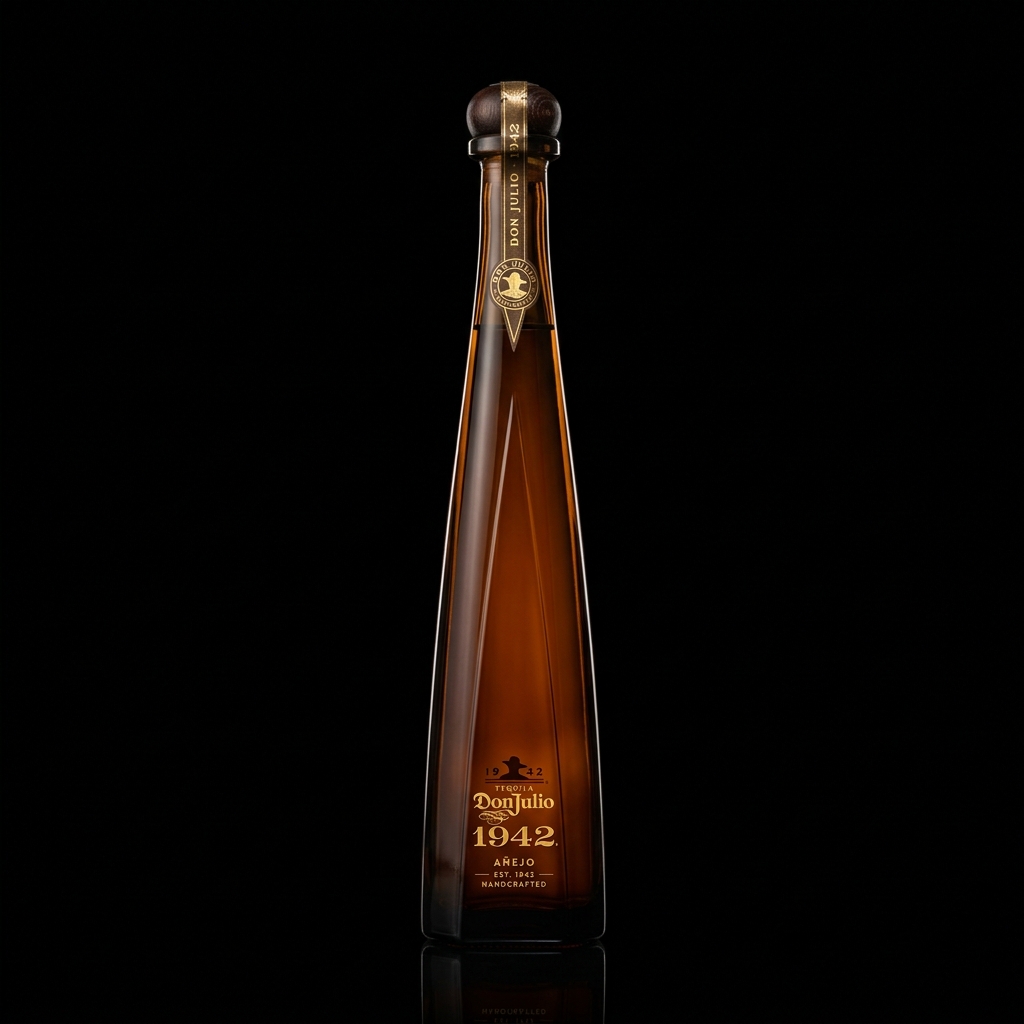
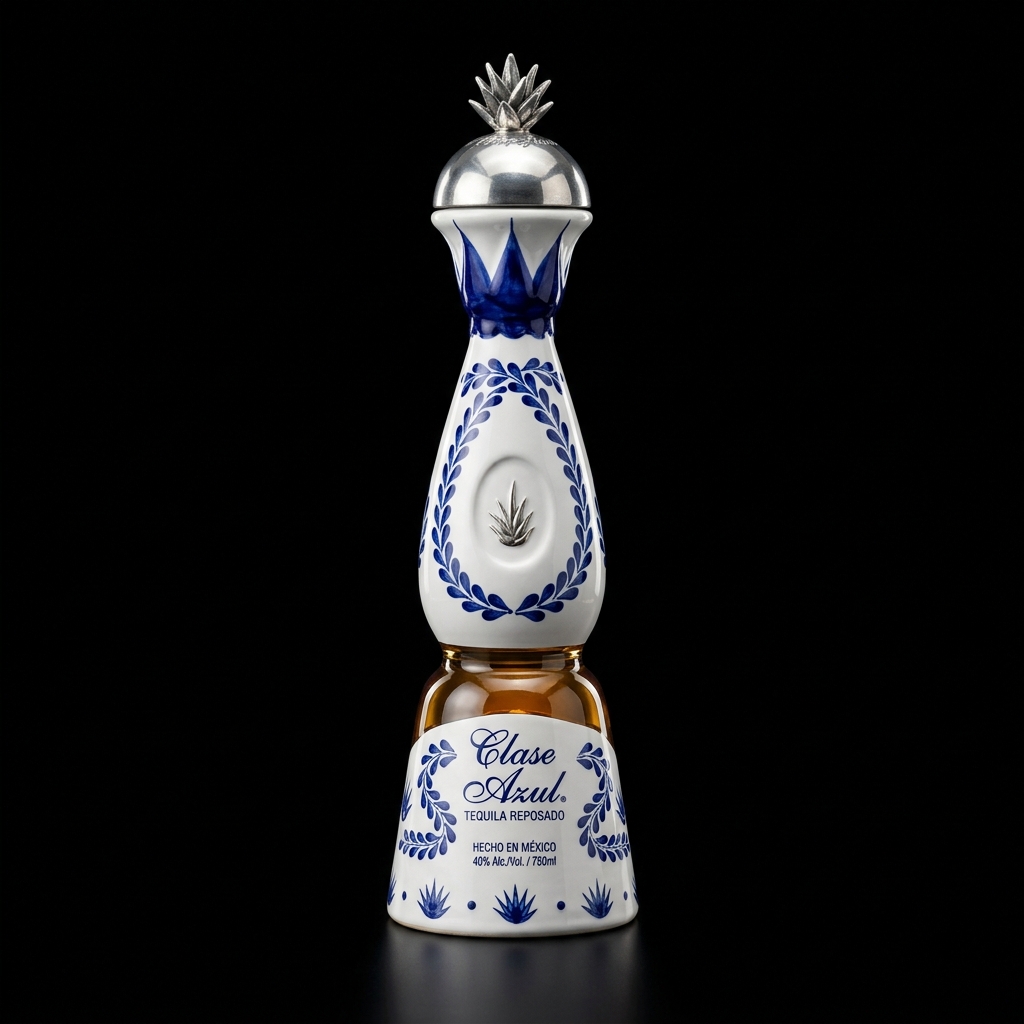
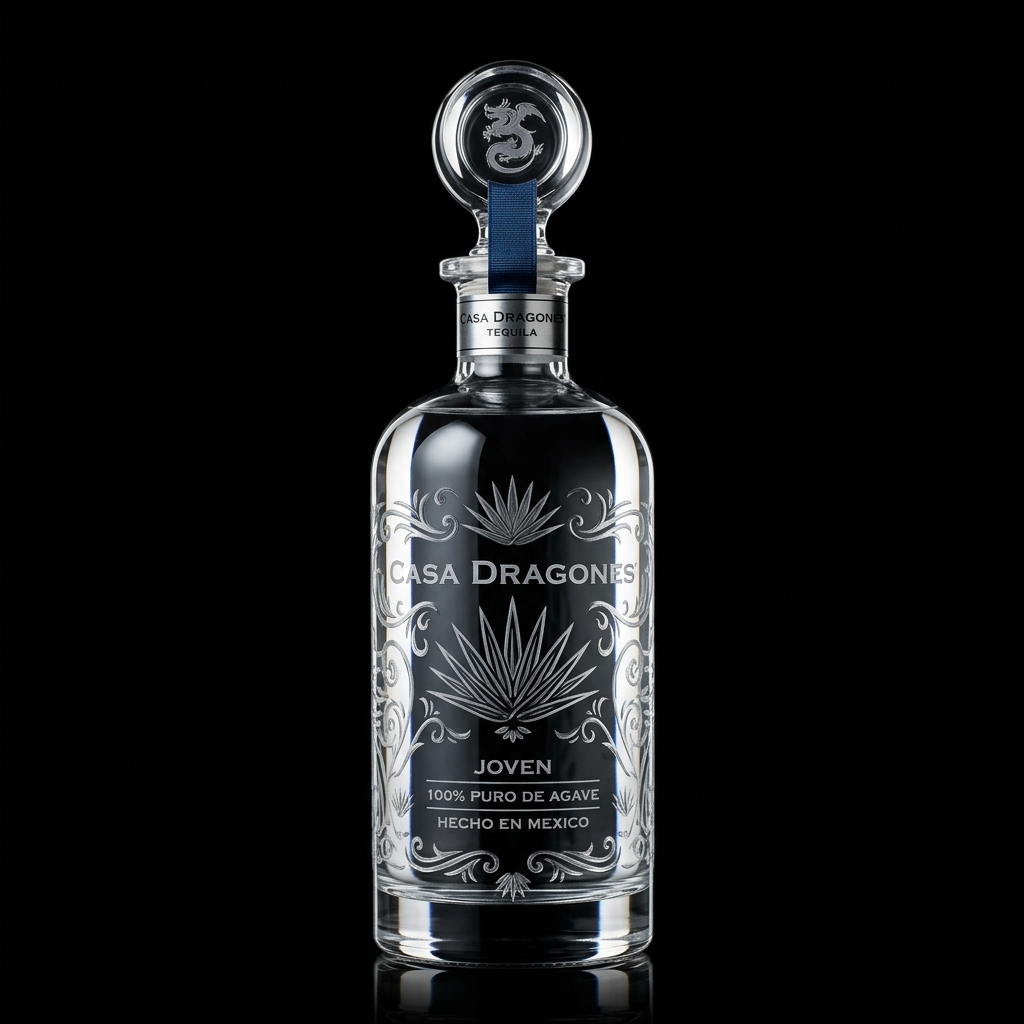
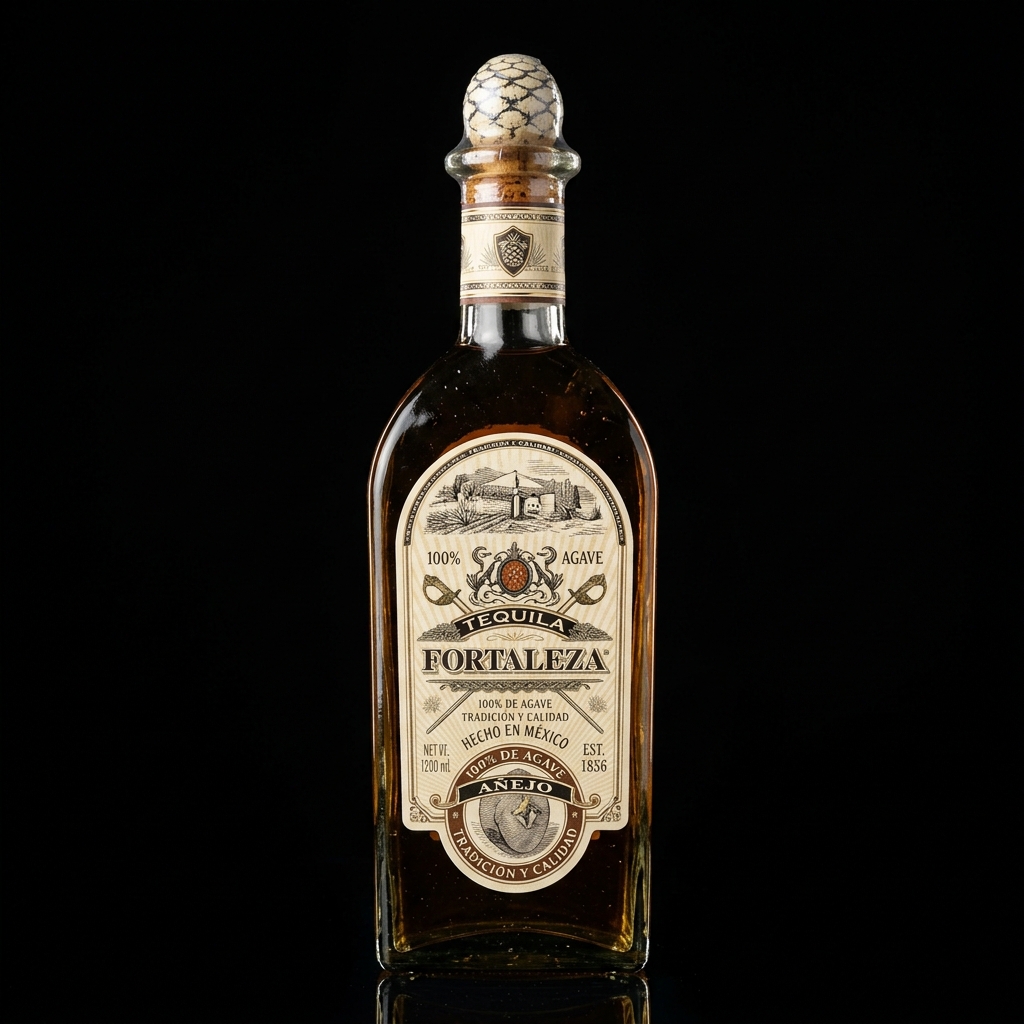
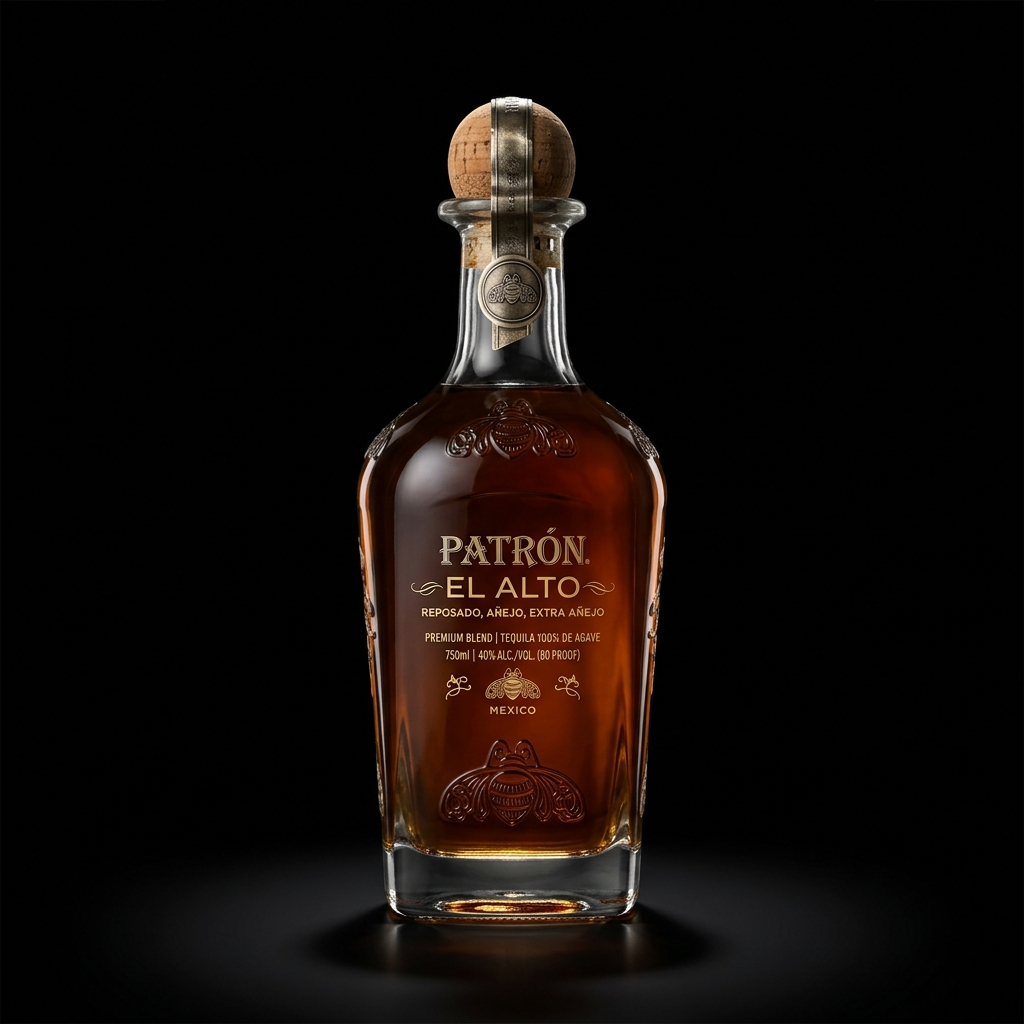
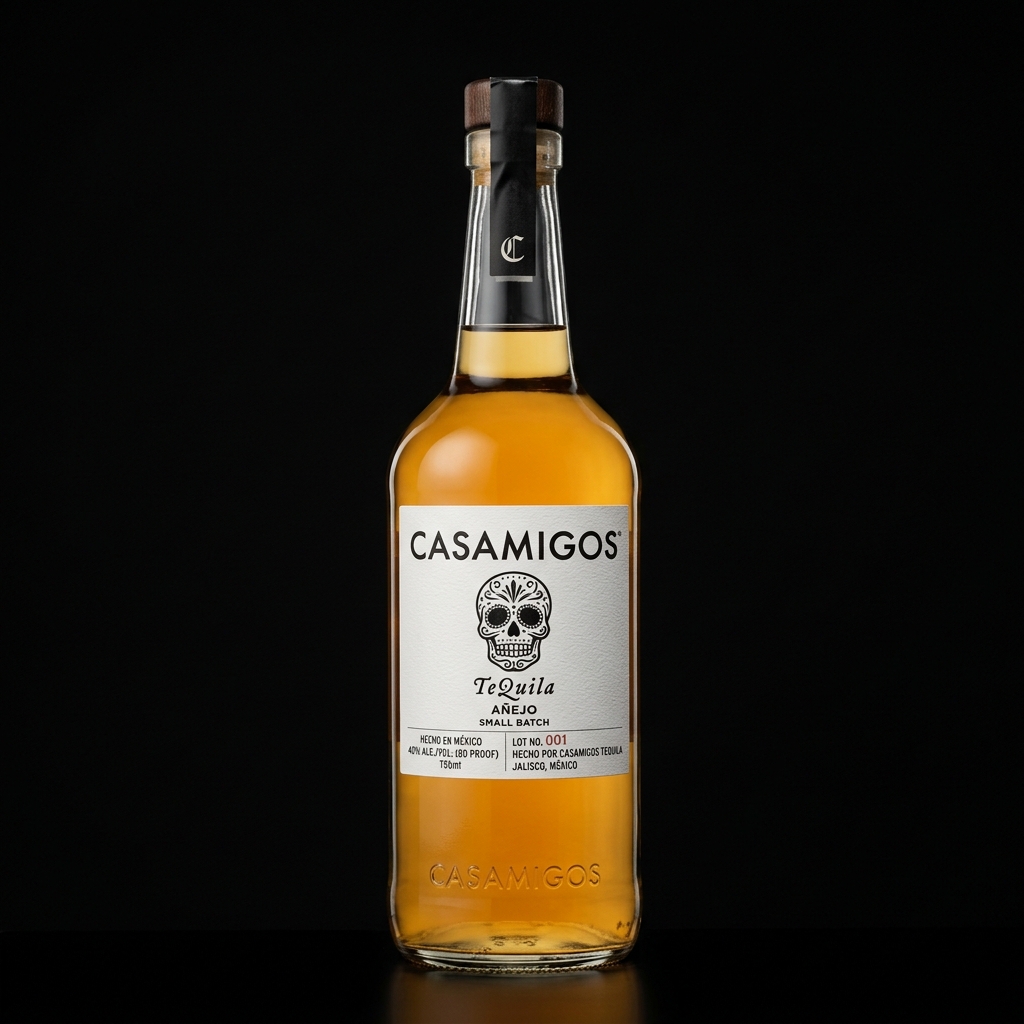
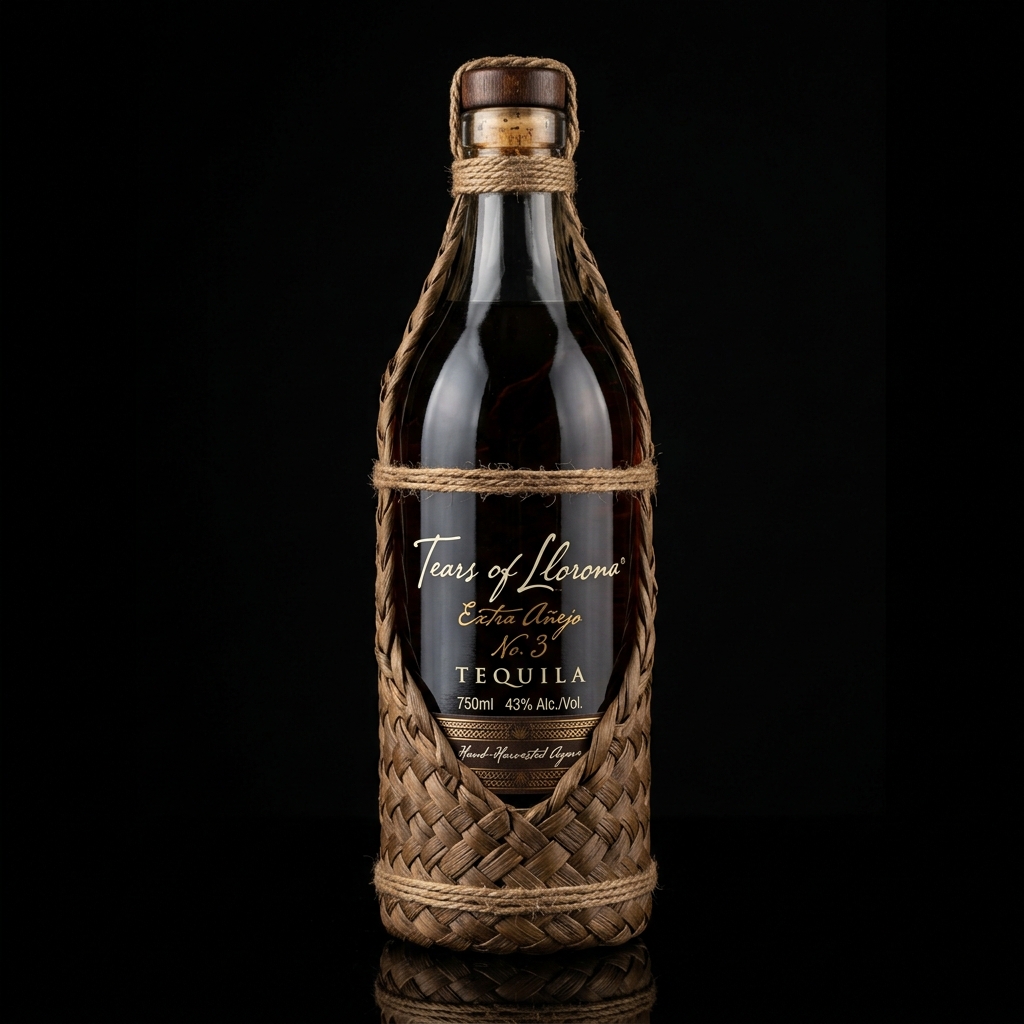
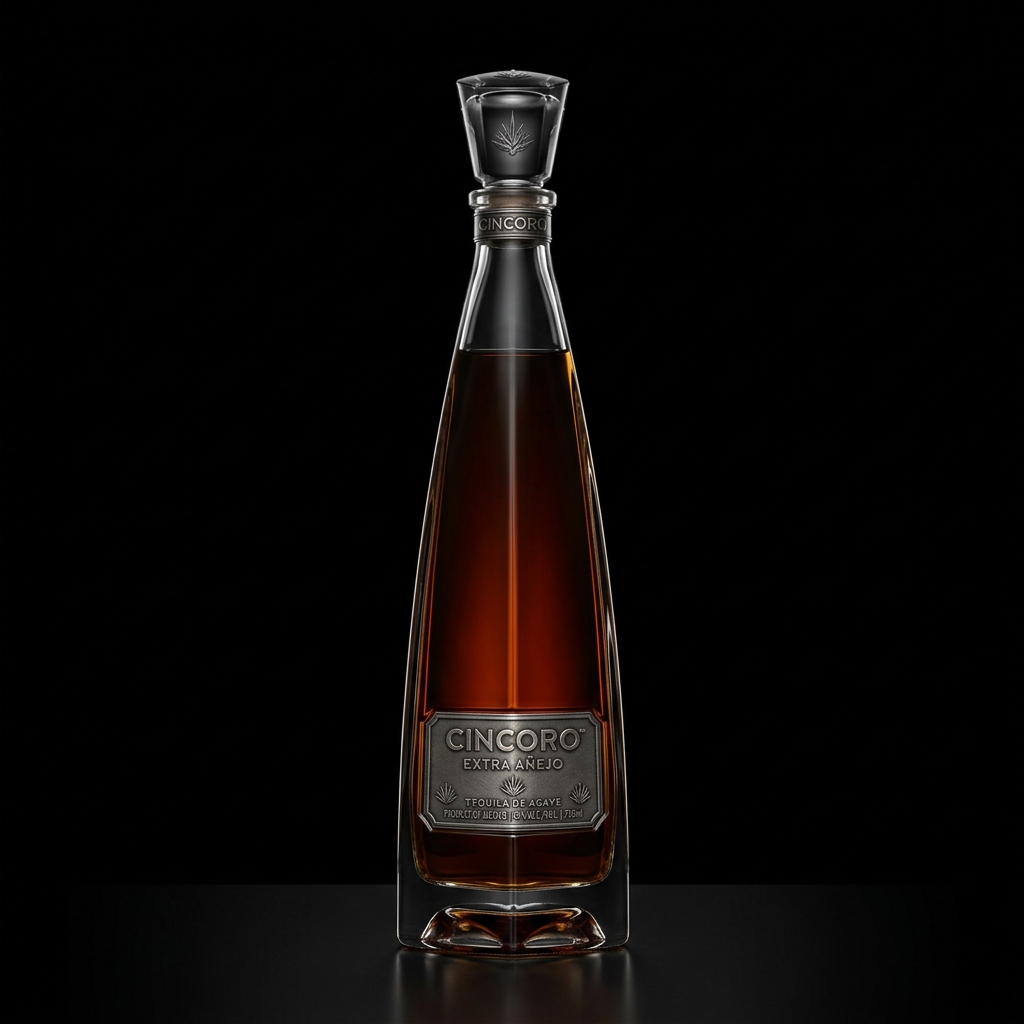
Tequila is categorized into five distinct official classifications based on wood maturation: • Blanco / Silver: Unaged or rested in stainless steel or neutral oak for up to 60 days. Delivers the purest expression of raw and cooked agave, citrus, and volcanic minerality. • Reposado ('Rested'): Aged in oak containers for a minimum of two months up to 364 days (e.g., Clase Azul Reposado). Balances sweet cooked agave with vanilla, hazelnut, and soft oak. • Añejo ('Aged'): Aged in oak barrels not exceeding 600 liters for a minimum of one full year (e.g., Don Julio 1942, Fortaleza Añejo, Casamigos Añejo). Imparts rich caramel, butterscotch, and baking spice. • Extra Añejo ('Ultra Aged'): Aged in oak barrels under 600 liters for a statutory minimum of three years (e.g., Tears of Llorona 5 Year, Patrón El Alto, Cincoro Extra Añejo). Delivers dark chocolate, dried fruit, leather, and cognac-like complexity. • Joven ('Young'): A master blend (assemblage) uniting crisp silver tequila with aged extra añejo (e.g., Casa Dragones Joven).

3. Production Methods: Traditional Tahona vs. Modern Diffuser

How agave is cooked and crushed defines its aromatic purity and soul: • Ancestral Stone Ovens & Tahona: Purist distilleries like Fortaleza slow-steam agave piñas in masonry brick ovens (hornos) for 36 hours and crush the cooked fibers using a massive two-ton volcanic stone tahona wheel, preserving deep earthy minerals and natural agave honey. • Sustainable Diffuser Extraction: Pioneers like Casa Dragones use modern extraction technology to gently extract pure agave sugars before cooking, preventing the formation of harsh congeners and yielding a platinum-smooth sipping spirit. • Multi-Cask Maturation: Master blenders like Germán González (Tears of Llorona) age extra añejo across Spanish sherry, bourbon, and peated Islay Scotch casks for unprecedented depth.

4. Collector & Buyer Tier Matrix: How to Choose

Explore our curated tequila portfolio across these distinguished tiers: • Traditional & Additive-Free Purist Classics ($60–$90): Ancestral methods delivering unmatched authentic agave terroir (Fortaleza Añejo, Casamigos Añejo). • Luxury Nightlife & Iconic Sippers ($150–$200): World-renowned decanters and velvety sipping profiles (Don Julio 1942 Añejo, Clase Azul Reposado, Casa Dragones Joven). • Ultra-Premium Extra Añejo Masterpieces ($200–$300): Extended multi-year oak-aged trophies for executive gifting and milestone toasts (Patrón El Alto, Tears of Llorona No. 3 Extra Añejo, Cincoro Extra Añejo).

Frequently Asked Pre-Purchase Questions

What is the flavor difference between Highlands (Los Altos) and Lowlands (Valley) tequila?

Highlands (Los Altos) agaves grow at high altitudes in mineral-rich red clay soil, resulting in higher sugar concentrations that produce sweeter, fruit-forward, and floral tequilas (like Don Julio and Clase Azul). Lowlands (Valley) agaves grow in dark volcanic soil, producing earthier, more herbaceous, and peppery tequilas (like Fortaleza and Casa Dragones).

What distinguishes an Extra Añejo tequila from a standard Añejo?

Añejo tequilas must age in oak barrels for at least one year. Extra Añejo—introduced by the Tequila Regulatory Council in 2006—must age for a minimum of three full years in barrels not exceeding 600 liters. This prolonged aging develops deep mahogany color and complex notes of dark chocolate, leather, dried fruit, and vanilla resembling fine Cognac.

What is the volcanic stone tahona method and why is it prized?

A tahona is a massive two-ton wheel carved from volcanic stone, traditionally pulled by a mule or tractor to crush cooked agave hearts. Unlike high-speed metal shredders that can tear bitter plant fibers, the heavy stone gently presses sweet aguamiel from the agave, creating a richer, rounder, and more authentic flavor profile.

Should ultra-premium sipping tequila ever be served with lime and salt?

No. Lime and salt were historically used to mask the burn of harsh, low-quality industrial mixtos. 100% Blue Weber agave sipping tequilas (especially Reposados, Añejos, and Extra Añejos) are complex spirits designed to be savored neat at room temperature in a tequila flute, snifter, or Glencairn glass.