Our Reserve Collection

Fine Wine Collection

8 expressions, each hand-selected, with full tasting notes, legal production profiles, and market retail comparison.

Buying Guide & Reference Fine Wine

The Complete Global Fine Wine Buying Guide

Bordeaux First Growths, Burgundy Grand Crus, Super Tuscans & Napa Icons

Fine wine is an immortal art form, representing the highest intersection of geological terroir, viticultural dedication, and patient cellar aging. From the historic 1855 First Growths of Bordeaux and the ethereal Grand Crus of Burgundy to the visionary Super Tuscans of Bolgheri and the sun-drenched Cabernet icons of Napa Valley, blue-chip fine wines stand as legendary centerpieces for collectors and investors. This guide provides an authoritative reference for navigating the world's most prestigious estates.

1. The 1855 Bordeaux Classification & Left Bank Cabernet

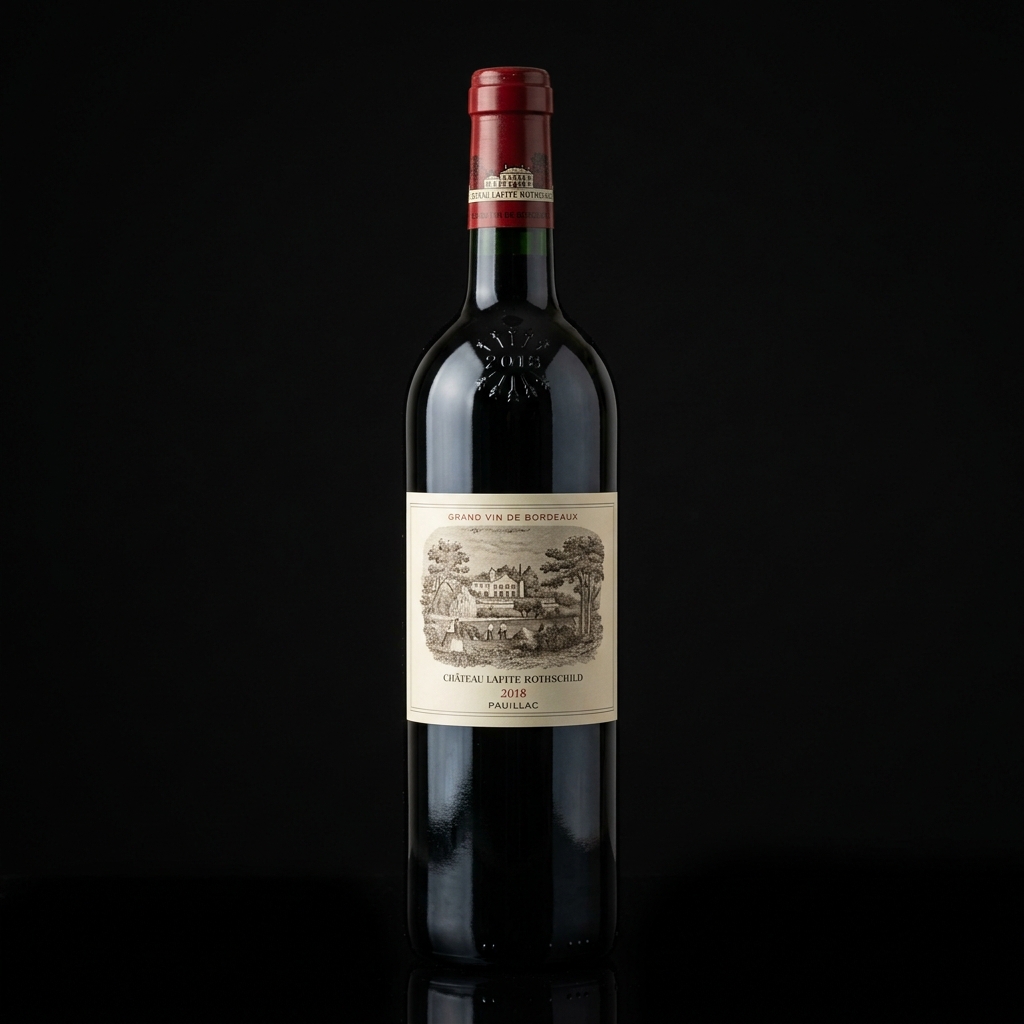
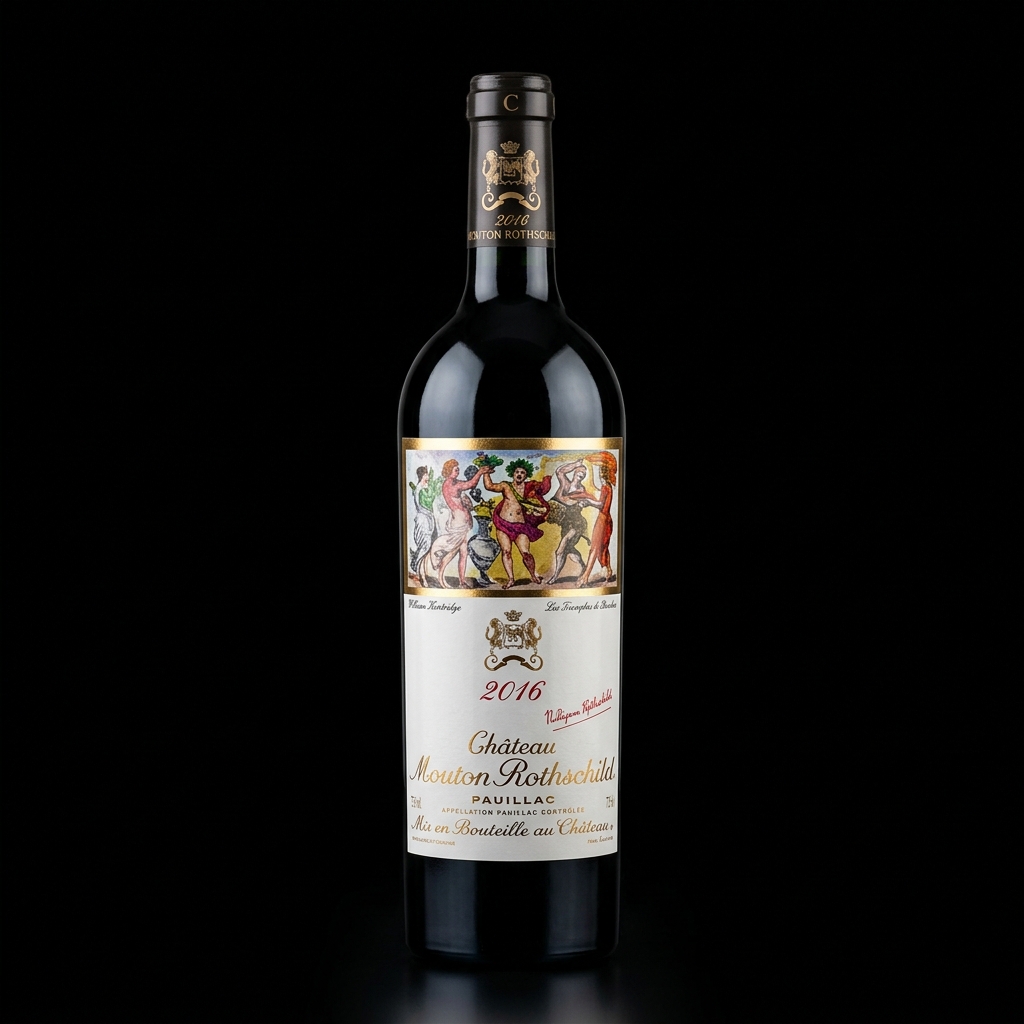
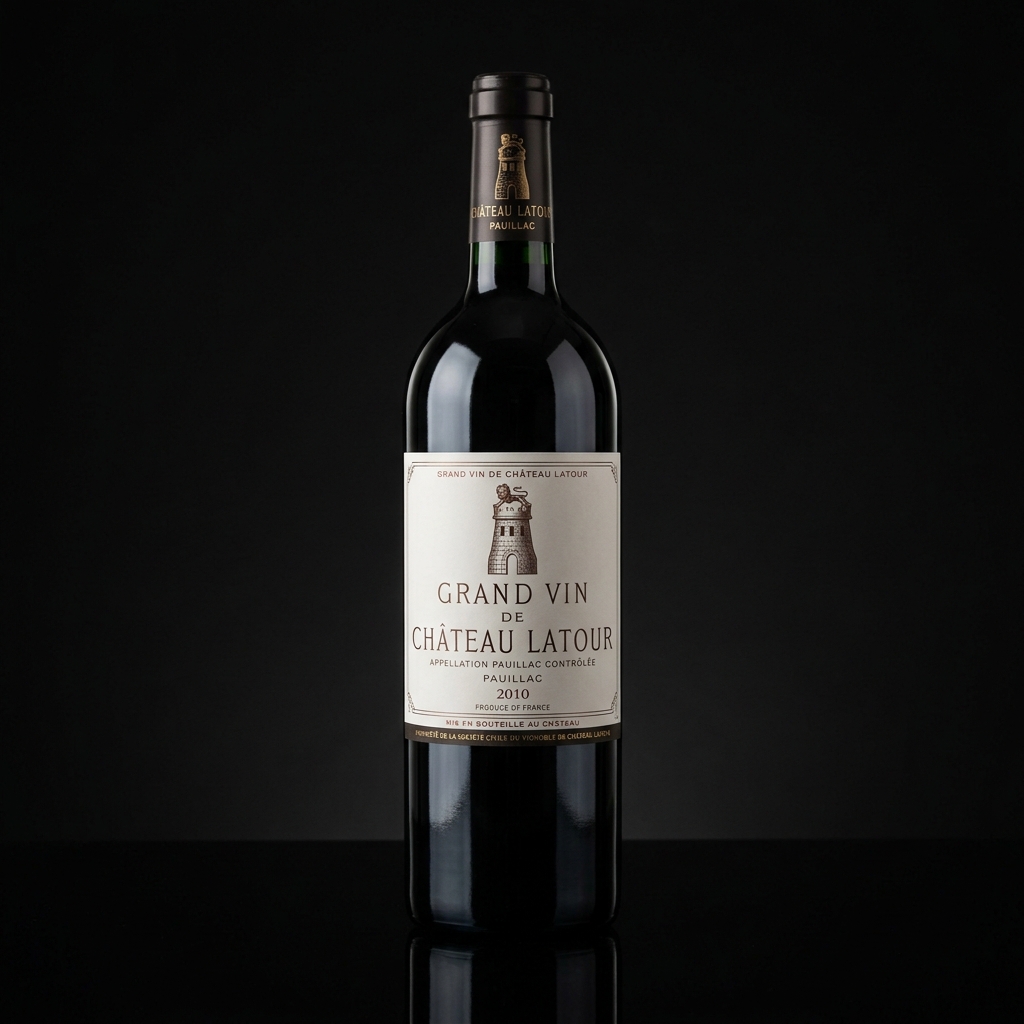
Commissioned by Emperor Napoleon III for the 1855 Paris Exposition Universelle, the Official Bordeaux Classification ranked the top Médoc estates: • The Premier Grand Cru Classé Pantheon: Only five estates hold the exalted First Growth rank, including Château Lafite Rothschild, Château Mouton Rothschild, and Château Latour in Pauillac. • Gravel Terroir & Longevity: Left Bank grand vins are dominated by Cabernet Sauvignon grown on deep Günzian gravel plateaus overlooking the Gironde estuary. The stony soils force vine roots deep into limestone subsoils, yielding small, concentrated berries with massive tannin architecture built to age for 40 to 60+ years.

2. Right Bank Blue Clay & Burgundian Grand Cru Terroir

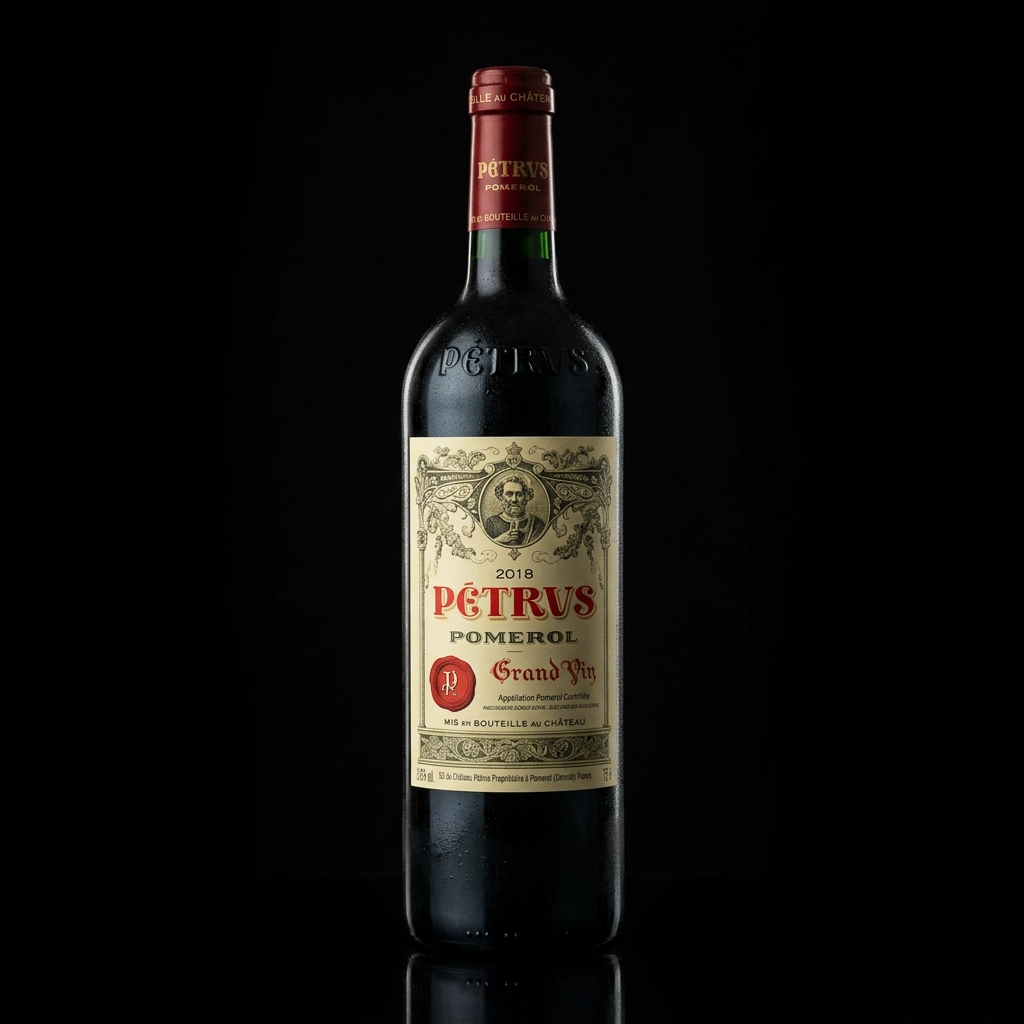
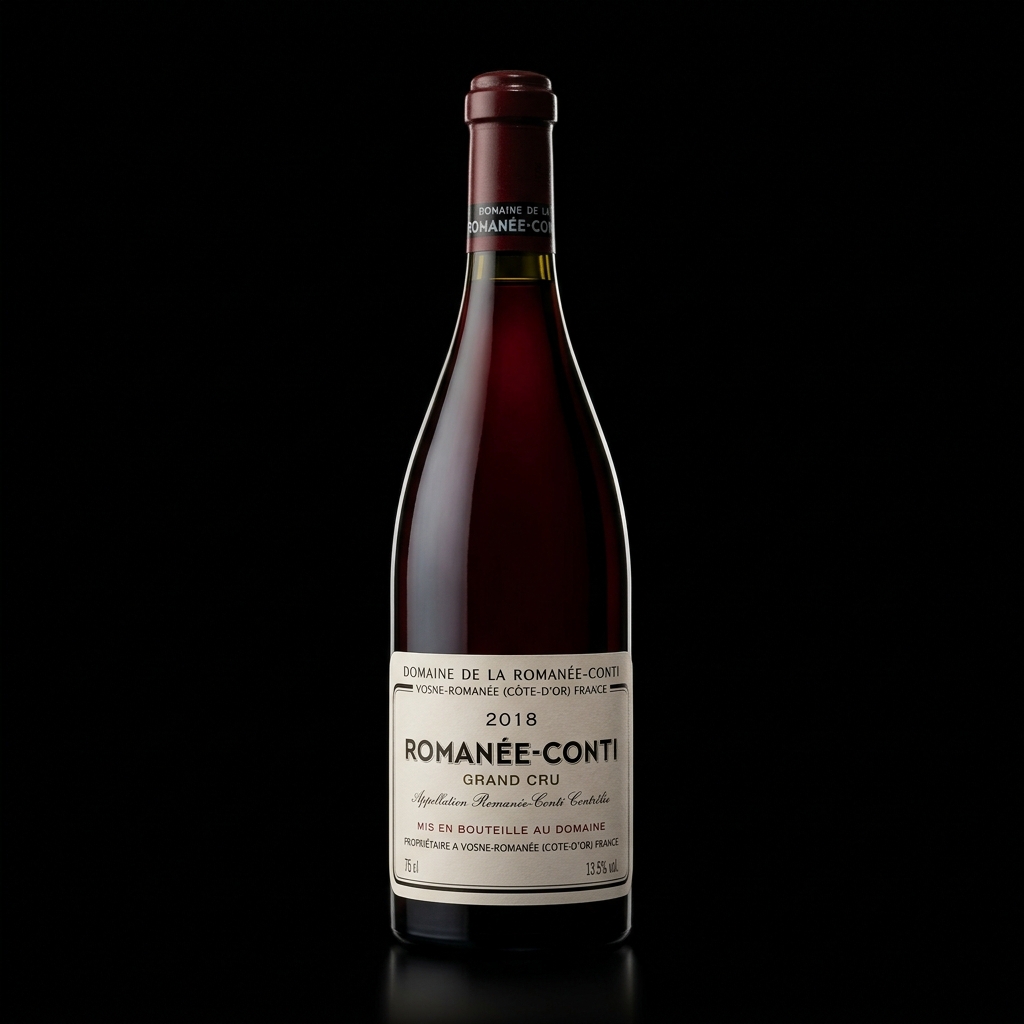
Different European regions express terroir through distinct grape varieties and soil geology: • Pomerol & The Blue Clay of Pétrus: Right Bank Pomerol sits on an ancient geological anomaly of deep smectite blue clay (the Boutonnière). This clay retains summer moisture and produces 100% Merlot wines with peerless cashmere tannins, black truffle perfume, and unctuous density. • Burgundy & Domaine de la Romanée-Conti (DRC): On the limestone slopes of the Côte de Nuits, DRC crafts the pinnacle of Grand Cru Pinot Noir (Romanée-St-Vivant) using 100% whole-cluster fermentation and biodynamic farming, creating wines of weightless density and floral perfume.

3. Super Tuscans, Napa Valley & Noble Rot Sauternes

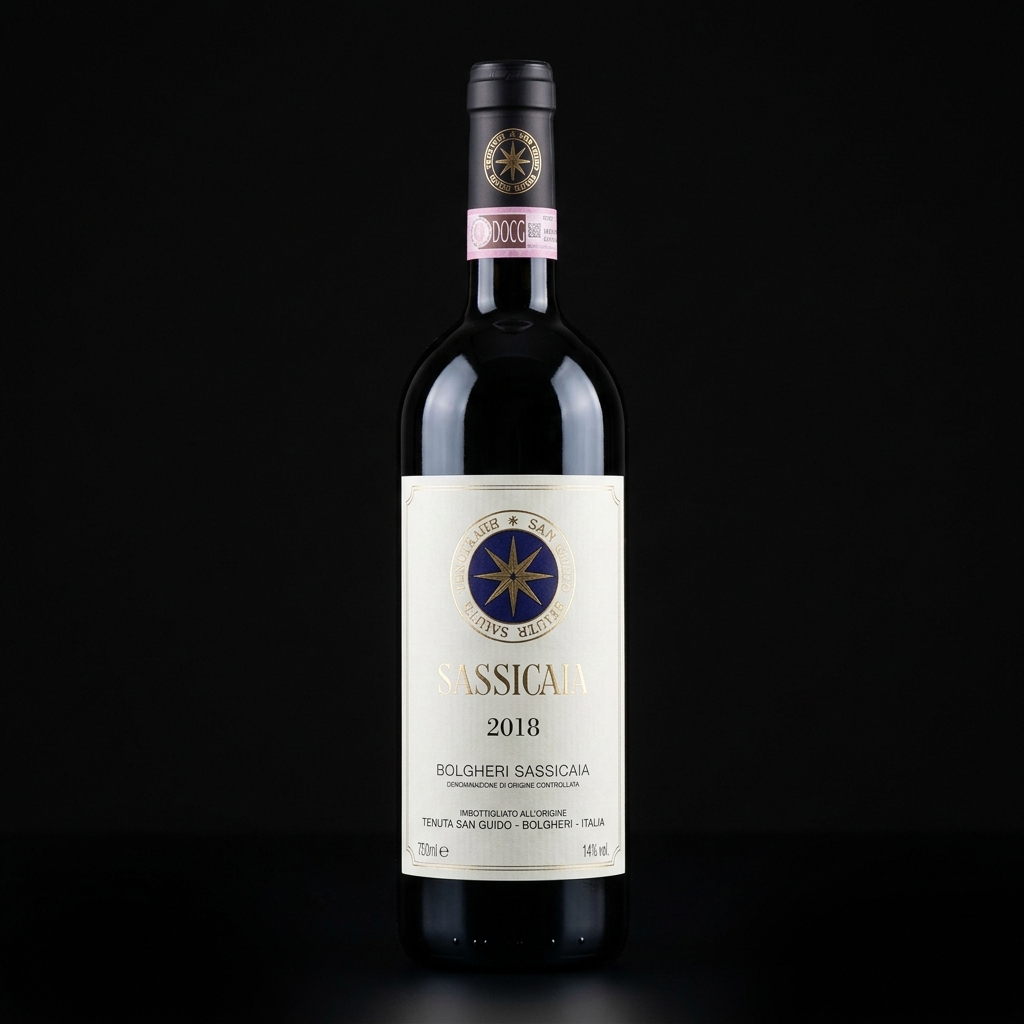
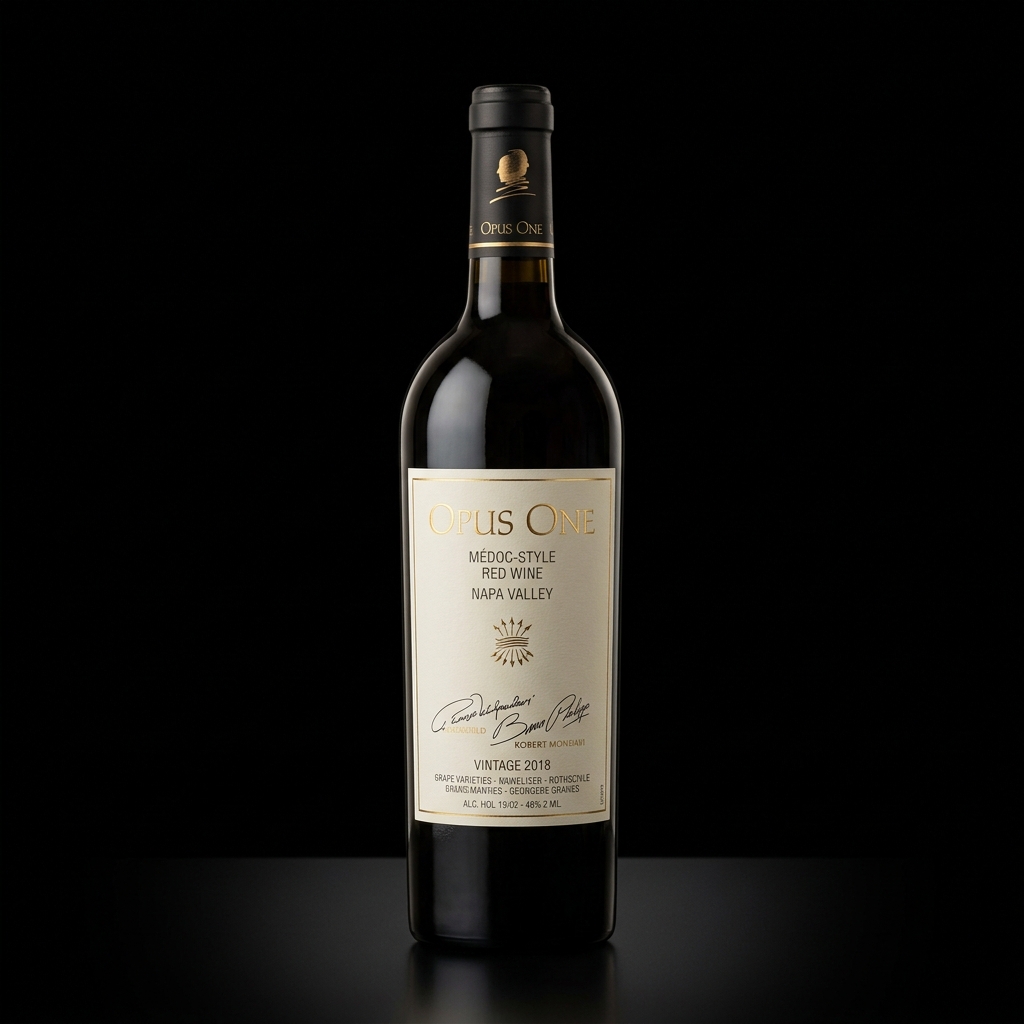
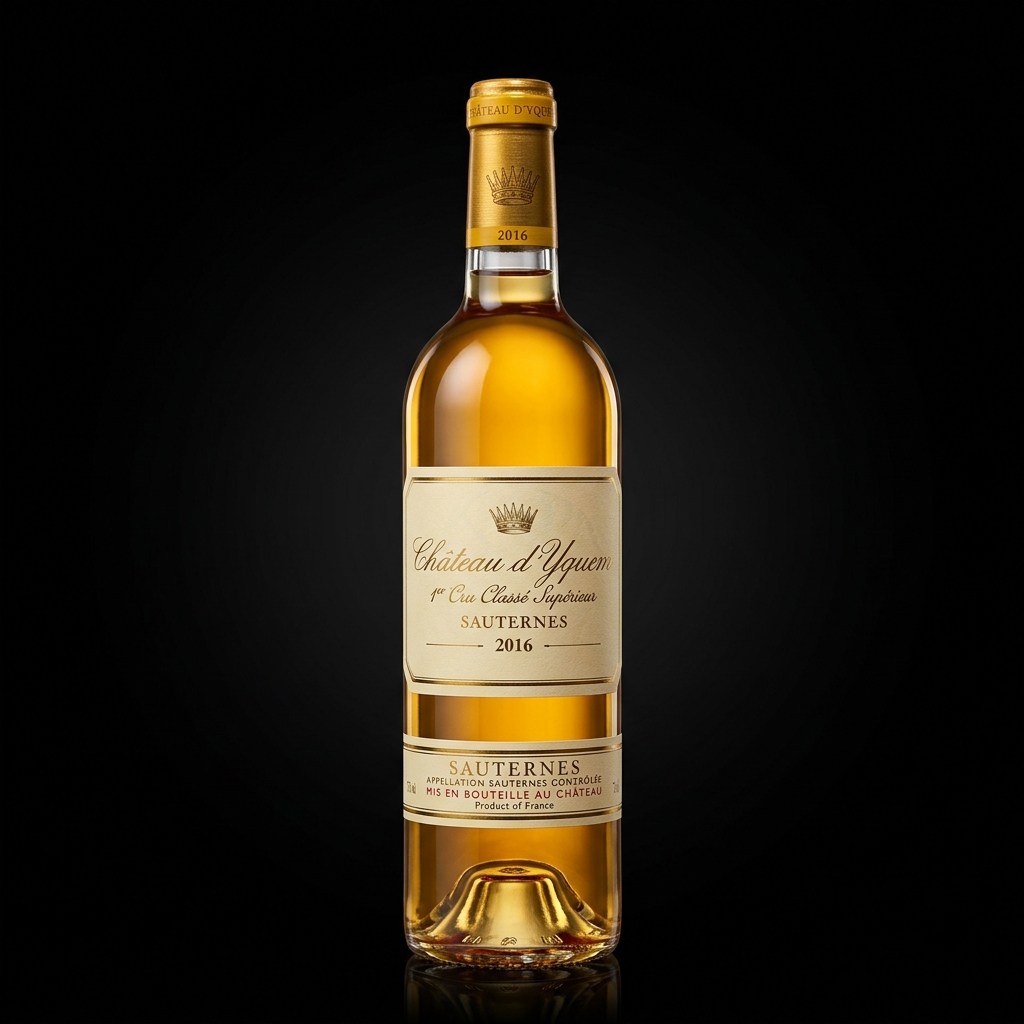
Beyond traditional classifications, visionary winemakers created global benchmarks: • The Super Tuscan Revolution: Conceived by Tenuta San Guido, Sassicaia broke Italian tradition by planting Bordeaux Cabernet cuttings on the gravelly soils of Bolgheri, proving Italy could rival First Growth Bordeaux. • Transatlantic Napa Valley Artistry: Opus One represents the historic partnership between Baron Philippe de Rothschild and Robert Mondavi, combining Bordeaux structure with Oakville Cabernet power. • Sauternes & Botrytis Cinerea: Château d'Yquem—the sole Premier Cru Supérieur in the 1855 classification—produces legendary sweet wine via Botrytis cinerea (noble rot), hand-harvesting individual berries to create an elixir capable of aging for a century.

4. Collector & Buyer Tier Matrix: How to Choose

Curate your fine wine portfolio across these prestigious tiers: • Iconic Global Flagships ($250–$400): Blue-chip Super Tuscan and Napa Valley masterpieces (Sassicaia 2019 Tenuta San Guido, Opus One 2019). • First Growth Bordeaux & Immortal Sauternes ($450–$900): Historic classified estates with multi-decade aging potential (Château d'Yquem 2017, Château Mouton Rothschild 2019, Château Latour 2016, Château Lafite Rothschild 2018). • The Holy Grails of Fine Wine ($3,000–$5,000+): The undisputed monarchs of Right Bank Bordeaux and Burgundy Grand Cru (Pétrus 2018, Domaine de la Romanée-Conti Romanée-St-Vivant 2019).

Frequently Asked Pre-Purchase Questions

How should fine wine be stored for long-term cellaring?

Fine wine requires a stable, temperature-controlled environment kept between 53°F and 57°F (12°C–14°C) with 65% to 75% relative humidity, away from direct light and physical vibration. Bottles sealed with natural cork must be stored horizontally to keep the cork moist and maintain an airtight seal.

How long should young vs. mature First Growth Bordeaux be decanted?

Young First Growth Bordeaux (under 10–15 years old) benefits from two to four hours in a wide-base decanter to aerate tightly wound tannins and unlock fruit aromatics. Mature vintages (20+ years) should be decanted gently for 30 to 45 minutes immediately before serving, primarily to separate clear wine from sediment.

What makes the blue clay soil of Pétrus so unique in the wine world?

Pétrus sits upon a rare, 20-hectare geological buttonhole of 40-million-year-old smectite blue clay. Unlike gravel, this expanding clay absorbs and stores water during wet periods, releasing hydration slowly to Merlot vines during scorching summers while maintaining cool root temperatures, resulting in uniquely velvety, ultra-refined tannins.

What is "noble rot" and why does it make Château d'Yquem so valuable?

Noble rot (Botrytis cinerea) is a beneficial fungus that develops in misty autumn microclimates. It pierces grape skins and desiccates the fruit, concentrating natural sugars, acidity, and aromatic compounds. Because each vine yields only about a single glass of wine, Yquem represents an extraordinarily low-yield, labor-intensive nectar built to age for over a century.