Our Reserve Collection

Japanese Collection

4 expressions, each hand-selected, with full tasting notes, legal production profiles, and market retail comparison.

Buying Guide & Reference Japanese

The Complete Japanese Whisky Buying Guide

Distilling Heritage, Mizunara Oak, Mountain Terroir & Buyer Matrix

Japanese whisky has captured the imagination of spirits collectors and connoisseurs worldwide, establishing itself as one of the most prestigious, awarded, and fiercely sought-after spirit categories on earth. Born in the 1920s from the pioneering vision of Shinjiro Torii and Masataka Taketsuru, Japanese distilling combines traditional Scottish pot-still methods with Japanese cultural precision, pristine mountain water, and rare native oak maturation. This guide demystifies the category, explains authentic labeling standards, and helps you select the finest bottles for your collection.

1. The 2021 JSLMA Standards for Authentic Japanese Whisky

Historically, Japanese labeling laws allowed imported bulk spirits to be bottled in Japan and labeled as Japanese whisky. To protect integrity, the Japan Spirits & Liqueurs Makers Association (JSLMA) established strict standards in 2021: • Raw Materials: Must use malted grains (and optional cereal grains), with water extracted exclusively in Japan. • Production Location: Saccharification, fermentation, and distillation must occur at a licensed distillery situated in Japan. • Distillation Strength: Distilled to an alcoholic strength of less than 95% ABV to preserve natural grain aromatics. • Maturation: Must mature in wooden casks with a capacity not exceeding 700 liters in Japan for a minimum of three years. • Bottling: Must be bottled in Japan at a minimum strength of 40% ABV. No artificial coloring or flavoring permitted.

2. Distilling Philosophy & Mountain Terroir

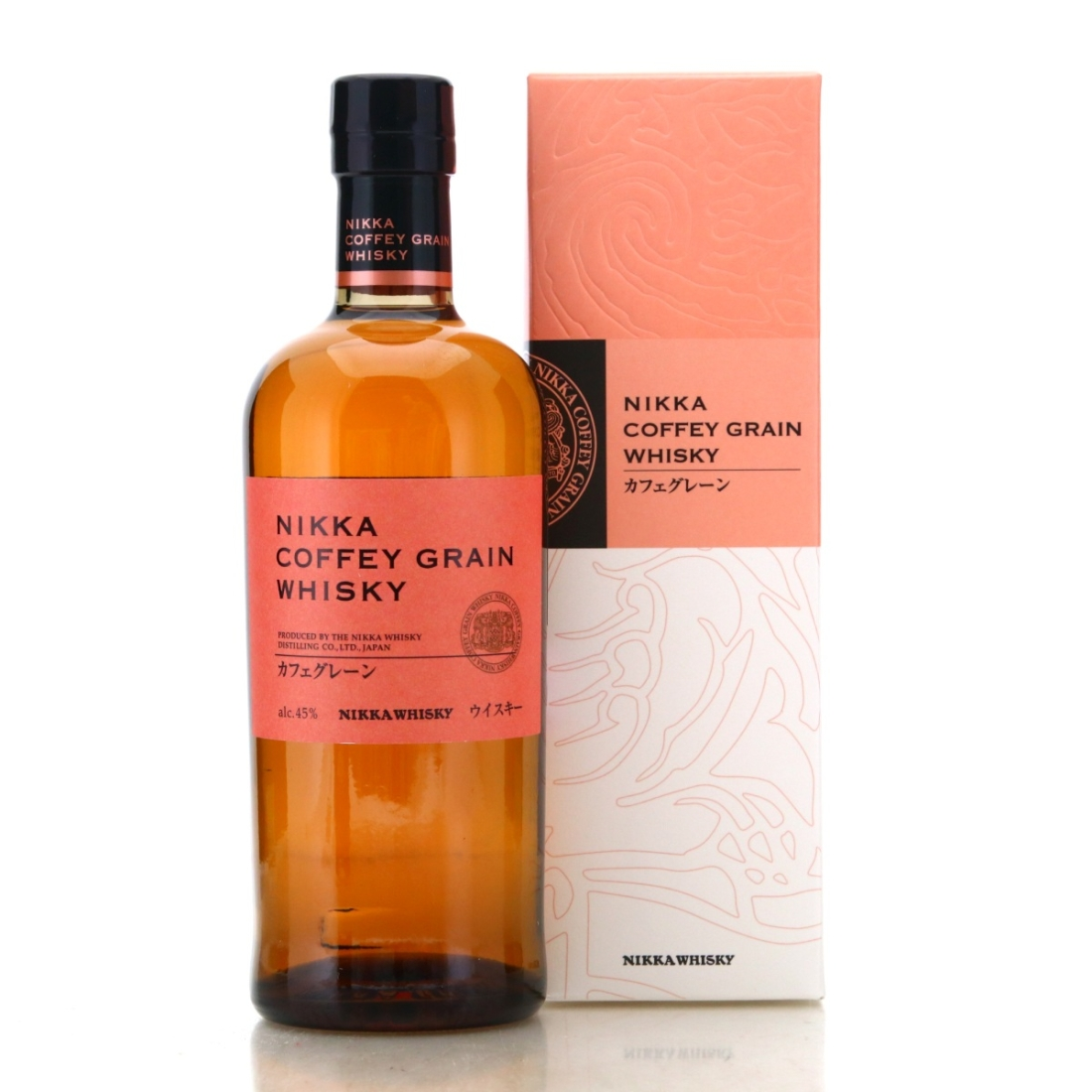
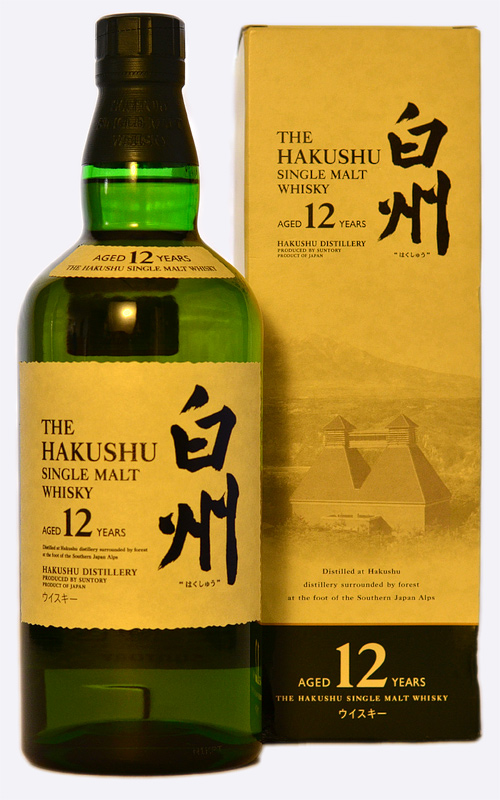
Japanese distilleries operate under a fundamentally distinct philosophy from Western distilleries: • In-House Diversity: Because Japanese distilleries do not trade casks with competitors, each distillery (such as Yamazaki or Hakushu) operates diverse pot still shapes, neck angles, and condensation setups to craft dozens of distinct single malt styles under one roof. • Mountain Snowmelt Water: Distilleries are situated near pristine natural water sources. Hakushu, for example, is located high in the Southern Japanese Alps, using exceptionally soft snowmelt filtered through ancient granite rock over decades of alpine precipitation. • Continuous Coffey Distillation: Nikka operates antique 1960s Coffey continuous column stills at Miyagikyo, producing rich, ester-laden grain whiskies with heavy mouthfeel rather than neutral grain alcohol.

3. The Magic of Mizunara (Japanese Water Oak)

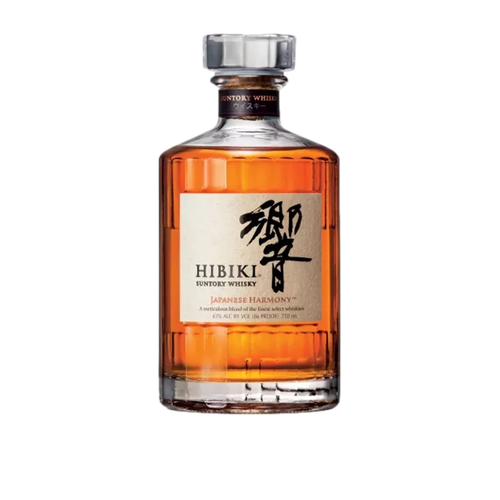
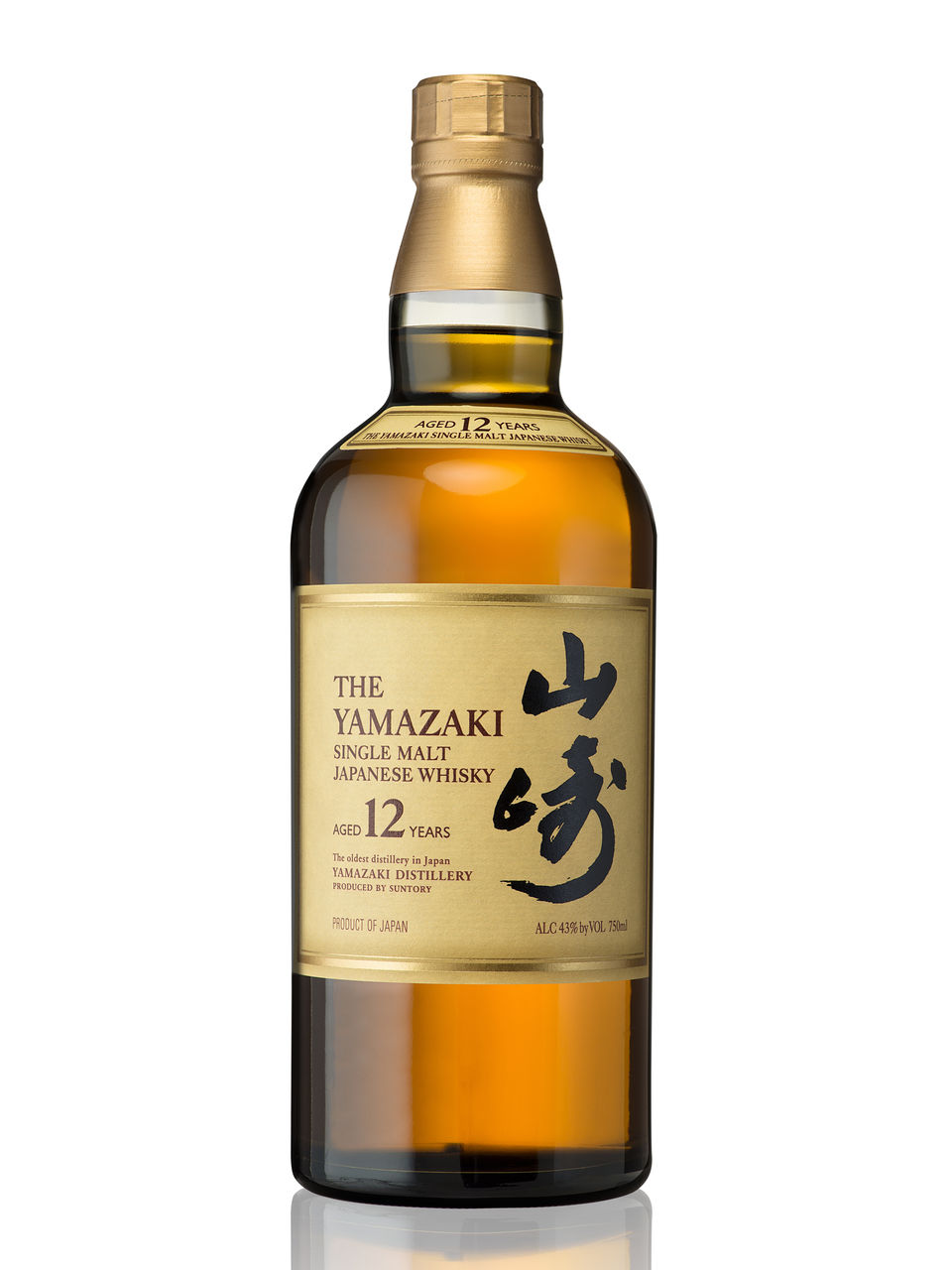
Mizunara (*Quercus mongolica var. crispula*) is indigenous to northern Japan and Hokkaido. It is notoriously difficult for coopers to shape and prone to leaking, but it imparts a completely unique sensory signature: • Temple Incense & Sandalwood: Imparts ethereal notes of agarwood, sandalwood (kyara), dried coconut, and Japanese cypress. • Decades of Patient Aging: Mizunara requires extended maturation (typically 12 to 20+ years) to surrender its noble aromatics without imparting excessive wood astringency (e.g., Yamazaki 12 Year, Hibiki Japanese Harmony). • Blending Philosophy: Japanese master blenders view each cask as a single instrument in an orchestral ensemble, focusing on Kanzen (complete harmony) and refined elegance rather than aggressive oak dominance.

4. Collector & Buyer Tier Matrix: How to Choose

Navigate the competitive Japanese whisky market across these key categories: • Innovative Craft Grain & Modern Expressions ($65–$90): Delightful, accessible daily sipping with rich tropical and pastry notes (Nikka Coffey Grain Whisky). • The Master Blending Icon ($120–$160): The gold standard of harmonious multi-distillery blending packaged in a 24-faceted seasonal decanter (Hibiki Japanese Harmony). • Allocated Age-Statement Legends ($180–$250+): Highly prized, globally allocated single malts representing the pinnacle of Japanese malt distilling (Yamazaki 12 Year Single Malt, Hakushu 12 Year Single Malt).

Frequently Asked Pre-Purchase Questions

Why are Japanese age-statement whiskies so rare and allocated?

In the late 1990s and early 2000s, domestic demand for whisky in Japan declined, leading distilleries to cut distillation production. When Japanese whiskies swept global spirits competitions in the 2010s, worldwide demand exploded overnight, instantly depleting aged barrel stocks. Distilleries are rebuilding inventories, but mature age-statement barrels remain strictly allocated.

What makes Mizunara oak barrels so special and expensive?

Mizunara trees take over 200 years to reach the diameter needed for barrel staves. The wood is soft, porous, and prone to leaking, making cooperage labor-intensive. However, mature Mizunara aging imparts an ethereal, unmistakable aromatic signature of sandalwood, Oriental temple incense, and coconut that cannot be replicated by American or European oak.

What is the traditional Japanese Highball and how should it be served?

The Japanese Highball is an art form: one part quality Japanese whisky poured over carved clear ice, gently stirred, topped with three to four parts highly effervescent chilled soda water, and finished with a fresh citrus twist. The effervescence lifts floral and citrus esters, making it an invigorating aperitif and ideal food partner.

What is the difference between Yamazaki and Hakushu single malts?

Yamazaki is distilled in the misty bamboo hills near Kyoto, featuring rich tropical fruit, sherry-cask spice, and Mizunara sandalwood. Hakushu is distilled in a high-elevation alpine forest in the Japanese Alps, featuring crisp green apple, mint, pine needle, and delicate herbal peat smoke.