The Authoritative Single Malt & Blended Scotch Buying Guide
Regional Terroir, Distillation Science, Cask Regimes & Buyer Matrix
Scotch whisky represents the pinnacle of centuries-old European distilling heritage, celebrated across the globe for its unmatched diversity of flavor, regional terroir, and mastery of oak maturation. From the heavily peated, sea-sprayed coastlines of Islay to the honeyed, orchard-fruit valleys of Speyside, fine Scotch offers an endless spectrum of sensory discovery. Whether you are seeking an approachable Speyside single malt, an intense maritime dram, or a prestigious blended masterpiece, this guide breaks down everything you need to navigate Scotland's finest distilleries.
1. Legal Definition & Scotch Whisky Regulations
2. The Five Legendary Whisky Regions of Scotland
3. Cask Maturation: Ex-Bourbon vs. Sherry & Specialty Casks
4. Collector & Buyer Tier Matrix: How to Choose
Frequently Asked Pre-Purchase Questions
What causes the smoky, medicinal flavor in Islay Scotch whisky? ▼
The smoky flavor comes from peat—ancient decayed vegetation and moss cut from bogs and burned in kilns to dry damp malted barley before fermentation. Islay peat is rich in decomposed sea kelp, moss, and maritime minerals, transferring chemical phenols and cresols into the grain that survive distillation to produce tar, iodine, and campfire smoke.
Is Single Malt Scotch inherently superior to Blended Scotch? ▼
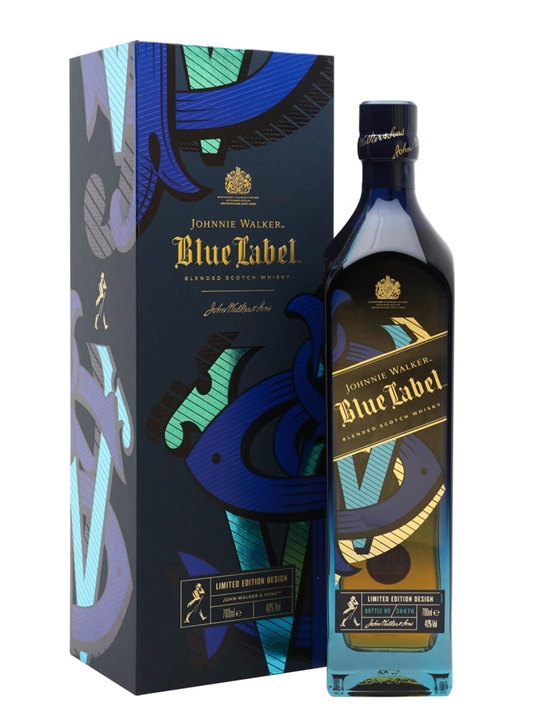
No. Single Malt means the whisky was produced at a single distillery from 100% malted barley, offering distinct house terroir. Blended Scotch marries multiple single malts with grain whiskies from different distilleries. While many commercial blends are everyday utility whiskies, prestige blends like Johnnie Walker Blue Label represent the absolute pinnacle of master blending artistry, achieving harmonious depth that single malts cannot replicate.
What does non-chill filtered mean, and why do connoisseurs prefer it? ▼
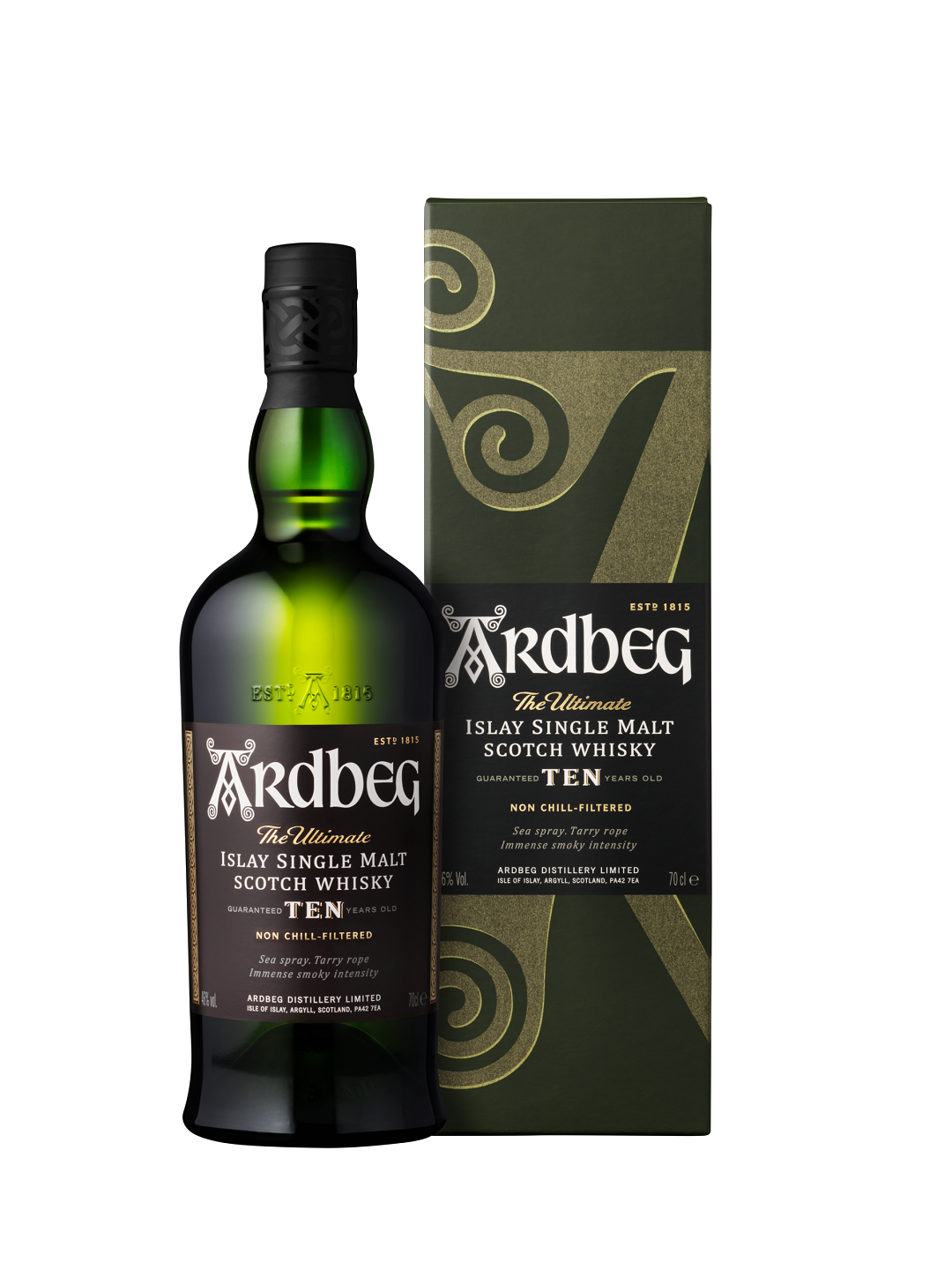
Chill filtration cools whisky to near-freezing temperatures to remove natural fatty acids and proteins so the liquid doesn't turn cloudy when ice or water is added. However, this process strips away essential oils and flavor compounds. Non-chill filtered whiskies retain these natural lipids, delivering richer mouthfeel, creamier texture, and fuller flavor.
How does sherry cask finishing affect the taste and color of Scotch? ▼
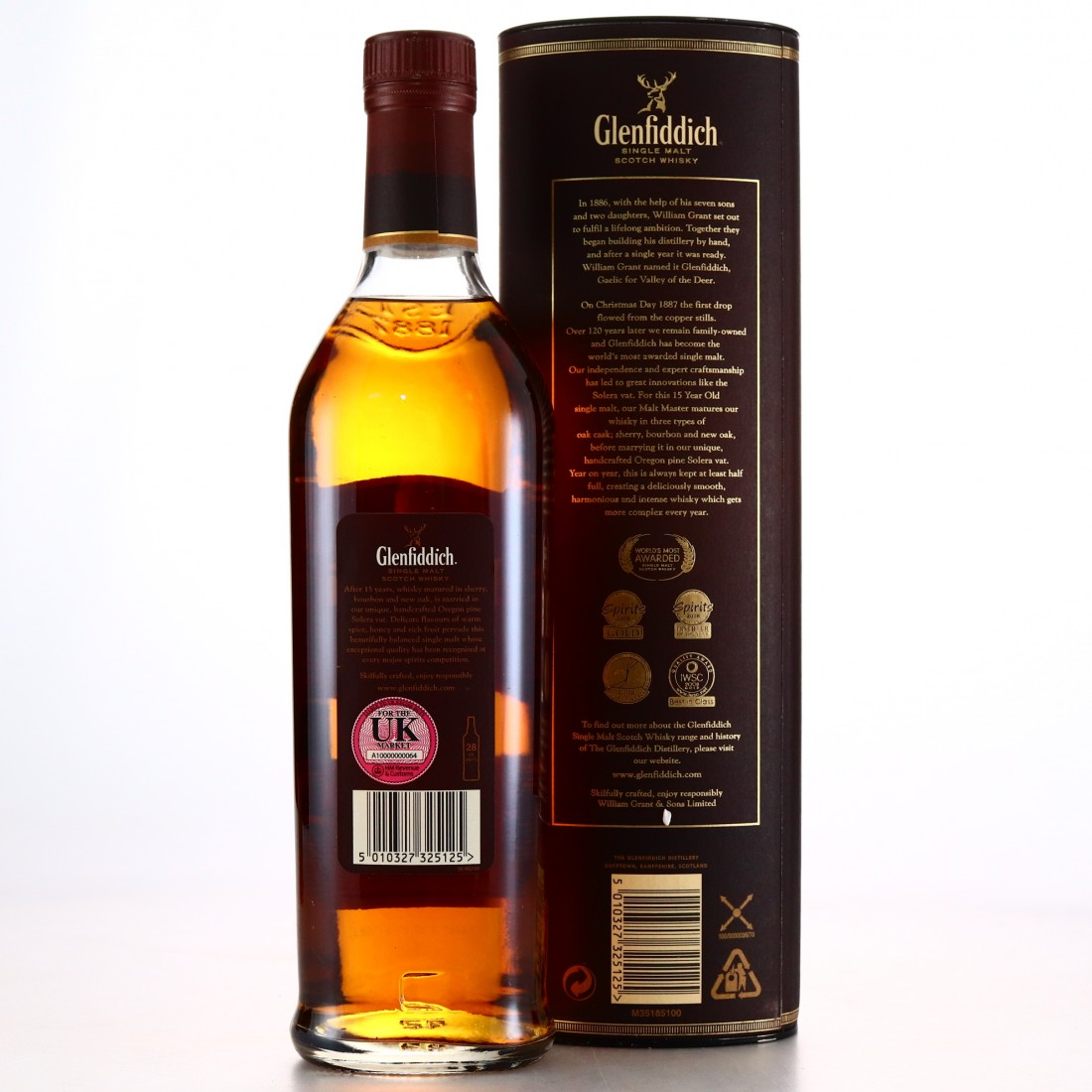
Sherry casks (especially European oak seasoned with Oloroso sherry) infuse the spirit with rich amber and mahogany hues, dried fruit flavors (raisins, dates, figs), toasted walnuts, dark cacao, and warming baking spices, softening grain edges and adding luxurious winter-fruit complexity.