Our Reserve Collection

Champagne Collection

8 expressions, each hand-selected, with full tasting notes, legal production profiles, and market retail comparison.

Buying Guide & Reference Champagne

The Definitive French Champagne Buying Guide

AOC Terroir, Méthode Champenoise, Prestige Cuvées & Buyer Matrix

Champagne is the world's ultimate symbol of luxury, celebration, and winemaking elegance. Produced exclusively in the chalk-rich hillsides of northeast France, authentic Champagne is crafted under the world's strictest viticultural regulations using the time-honored Méthode Champenoise. From vibrant non-vintage aperitifs to legendary decade-aged prestige cuvées and pure Grand Cru Blanc de Blancs, this guide helps you choose the perfect bottle for every momentous occasion.

1. Legal Definition & AOC Geographic Boundaries

Under French Appellation d'Origine Contrôlée (AOC) law established in 1936: • Delimited Region: Must be produced entirely within the delimited Champagne region (spanning the Montagne de Reims, Vallée de la Marne, Côte des Blancs, and Côte des Bar). • Permissible Grapes: Crafted primarily from three noble grape varieties: Pinot Noir (structure and body), Chardonnay (finesse and citrus minerality), and Meunier (round fruitiness). • Méthode Champenoise: Secondary fermentation must take place inside the individual glass bottle, generating natural carbon dioxide effervescence. • Mandatory Lees Aging: Non-vintage champagnes must mature on yeast lees for a minimum of 15 months; vintage champagnes must mature on lees for a minimum of three years (with prestige cuvées often aging 6 to 10+ years in subterranean chalk cellars).

2. Core Styles: Blanc de Blancs, Assemblage & Vintage

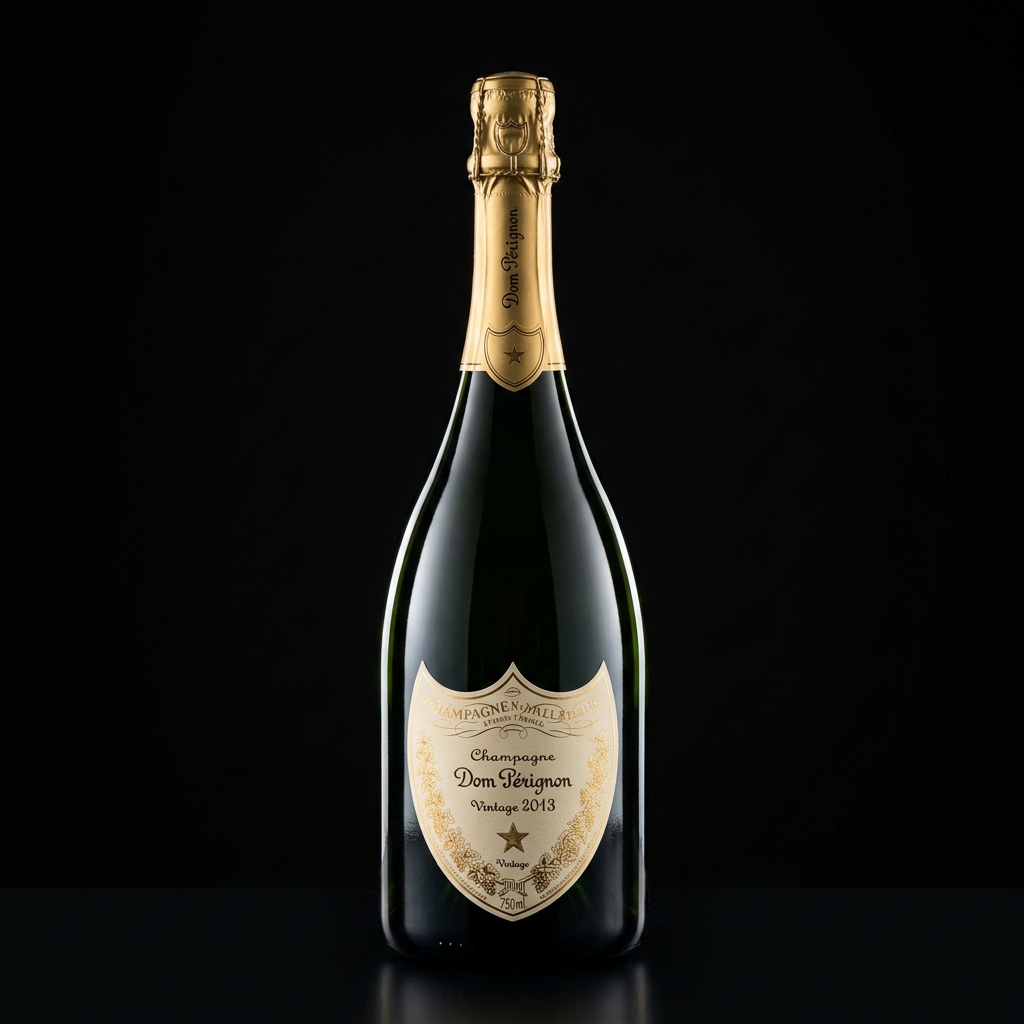
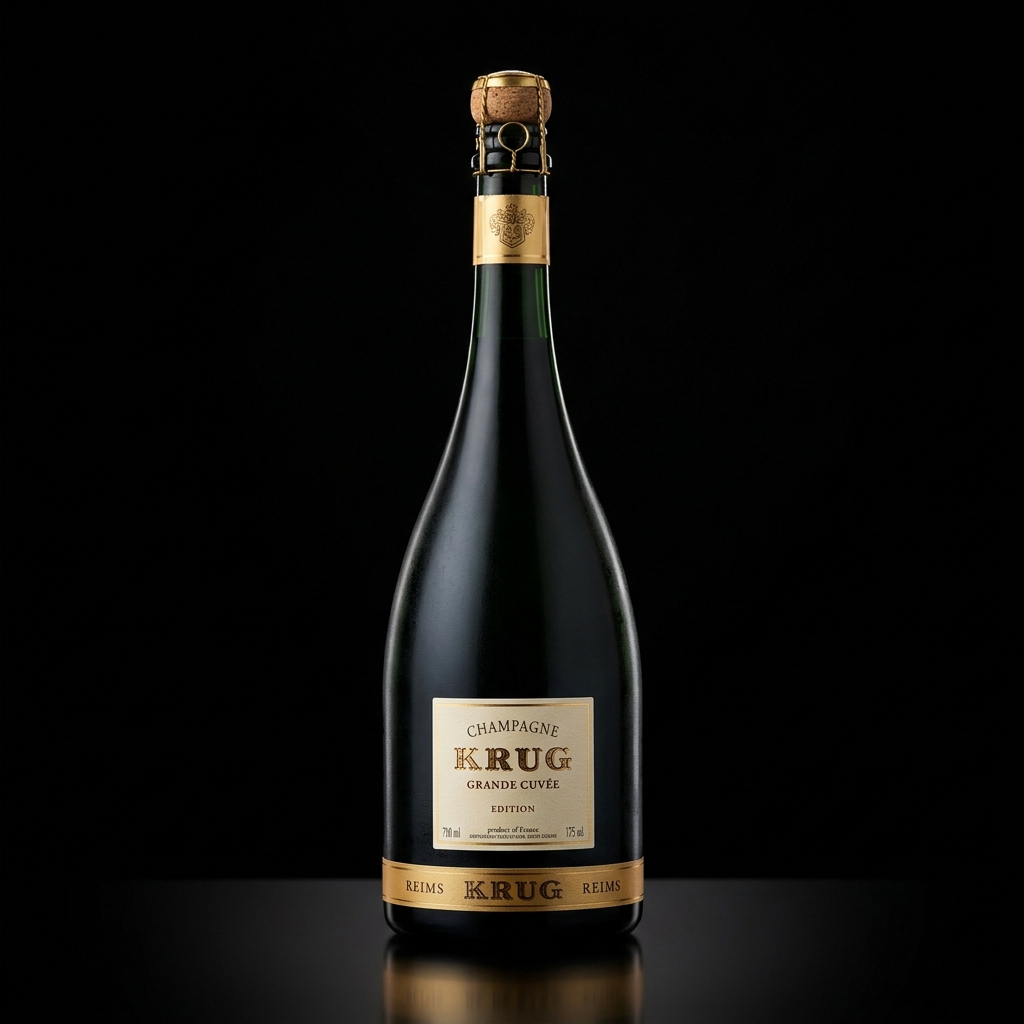
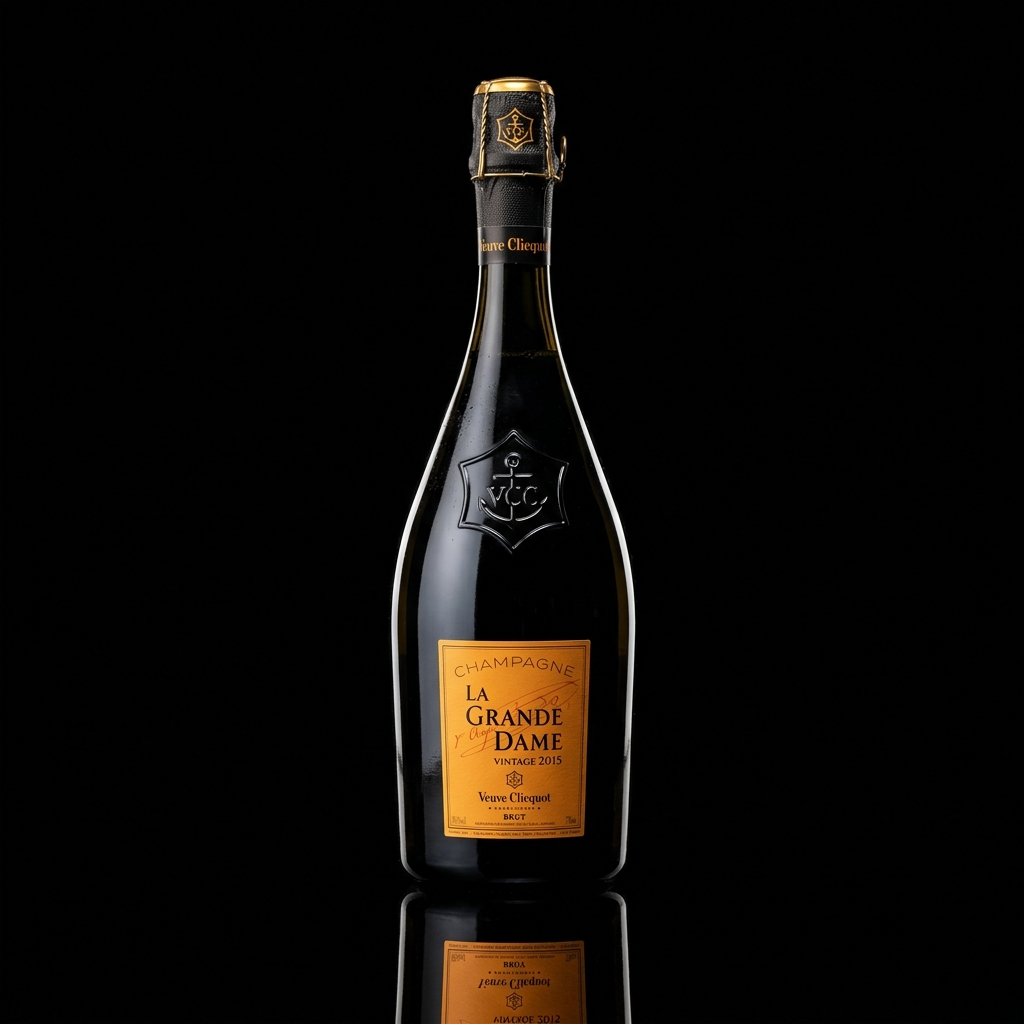
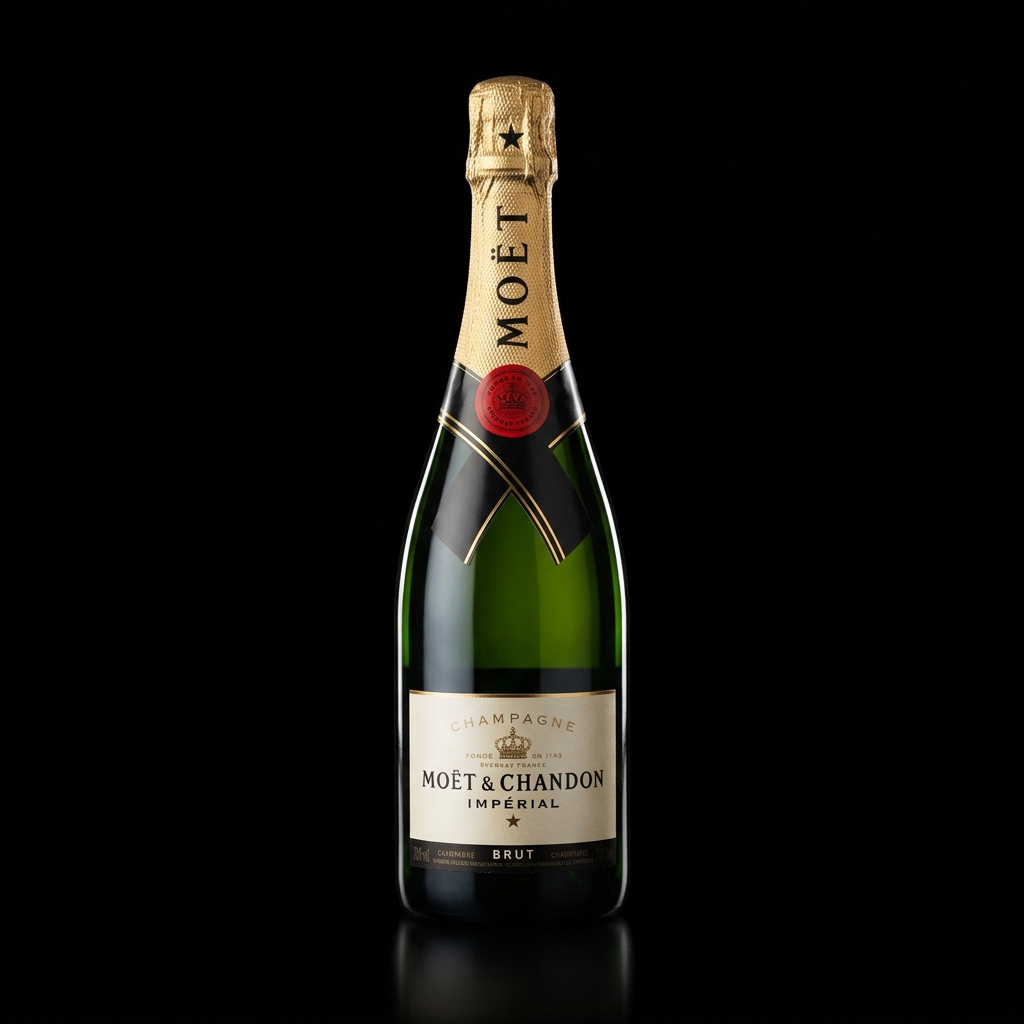
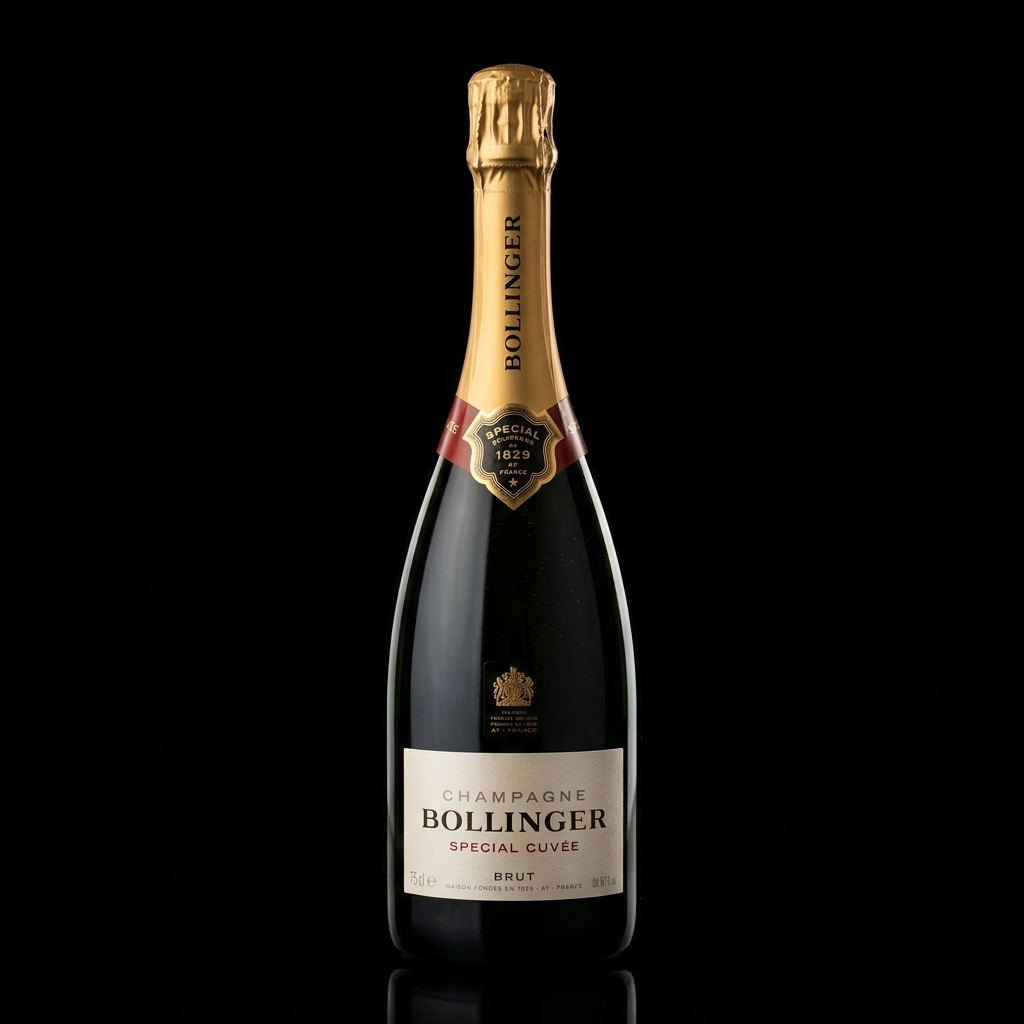
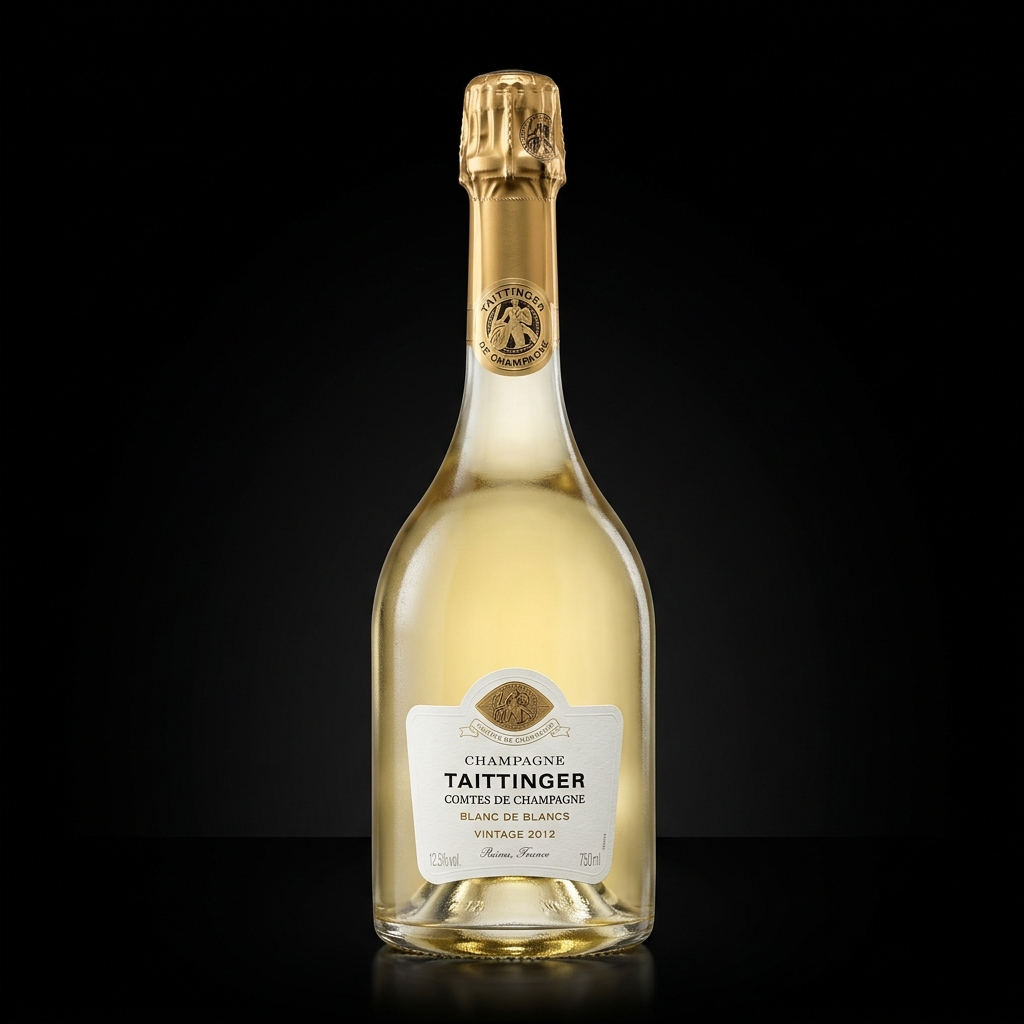
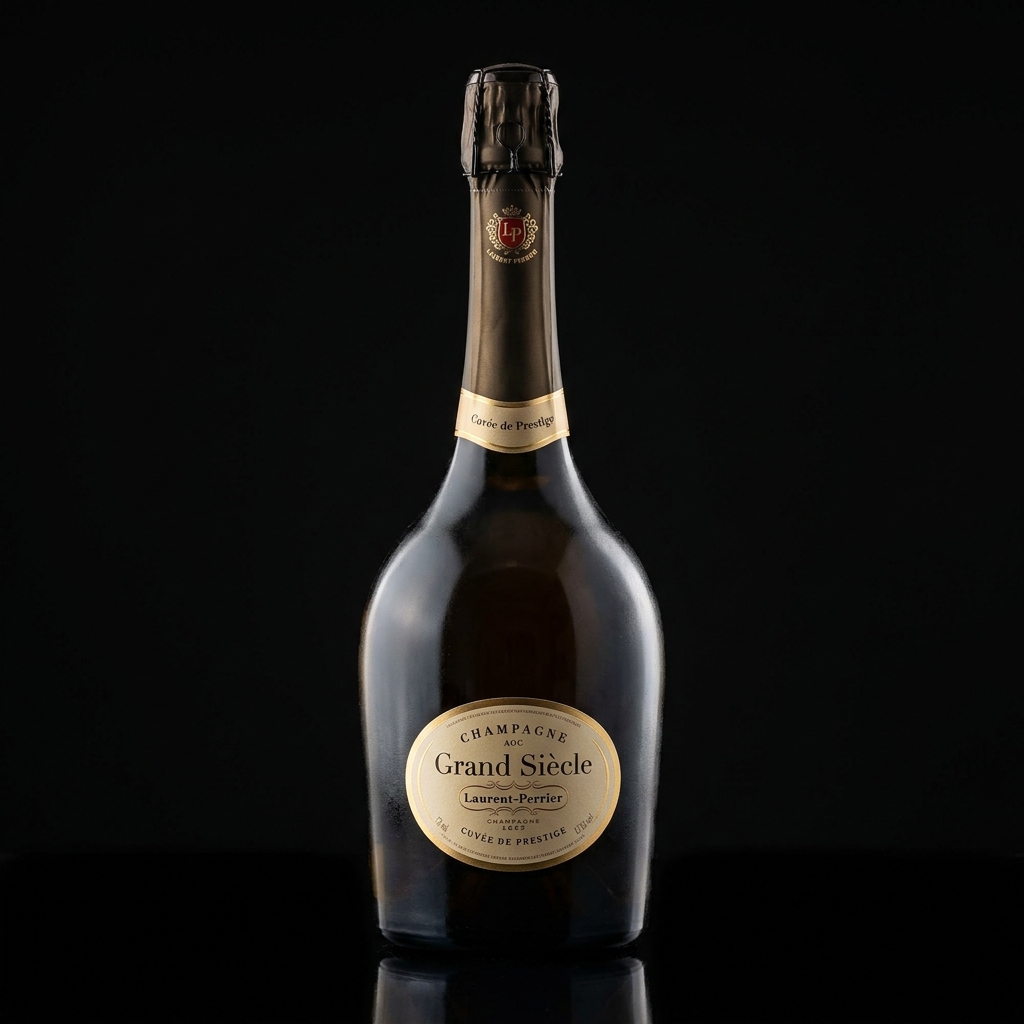
Champagne is produced in several distinct styles: • Brut Non-Vintage (NV): The signature house style, blending multiple harvests and reserve wines for consistent character (e.g., Moët Impérial, Bollinger Special Cuvée). • Blanc de Blancs: Crafted exclusively from 100% white Chardonnay grapes, famously sourced from the chalk Grand Crus of the Côte des Blancs (e.g., Taittinger Comtes de Champagne 2012). Known for crystalline purity, white flowers, and saline minerality. • Pinot-Dominant Prestige Cuvées: Blends dominated by Grand Cru Pinot Noir, offering vinous weight, red berry notes, and structural power (e.g., Veuve Clicquot La Grande Dame 2015, Dom Pérignon 2013). • Multi-Vintage Prestige Masterpieces: Groundbreaking cuvées like Krug Grande Cuvée and Laurent-Perrier Grand Siècle that marry multiple declared vintage years to achieve perfection.

3. The Autolytic Aging Process & Chalk Cellars

The secret behind fine champagne's complex aromas lies in autolysis: • Yeast Breakdown: After secondary fermentation, dormant yeast cells break down over years, releasing amino acids, proteins, and polysaccharides into the wine. • Pastry & Brioche Notes: Imparts luxurious aromas of toasted brioche, roasted almonds, hazelnut praline, and creamy effervescence. • Gallo-Roman Chalk Crayères: Historic houses mature bottles in ancient subterranean limestone quarries beneath Reims and Épernay, providing constant humidity and cool temperatures that nurture sparkling wine to peak maturity.

4. Collector & Buyer Tier Matrix: How to Choose

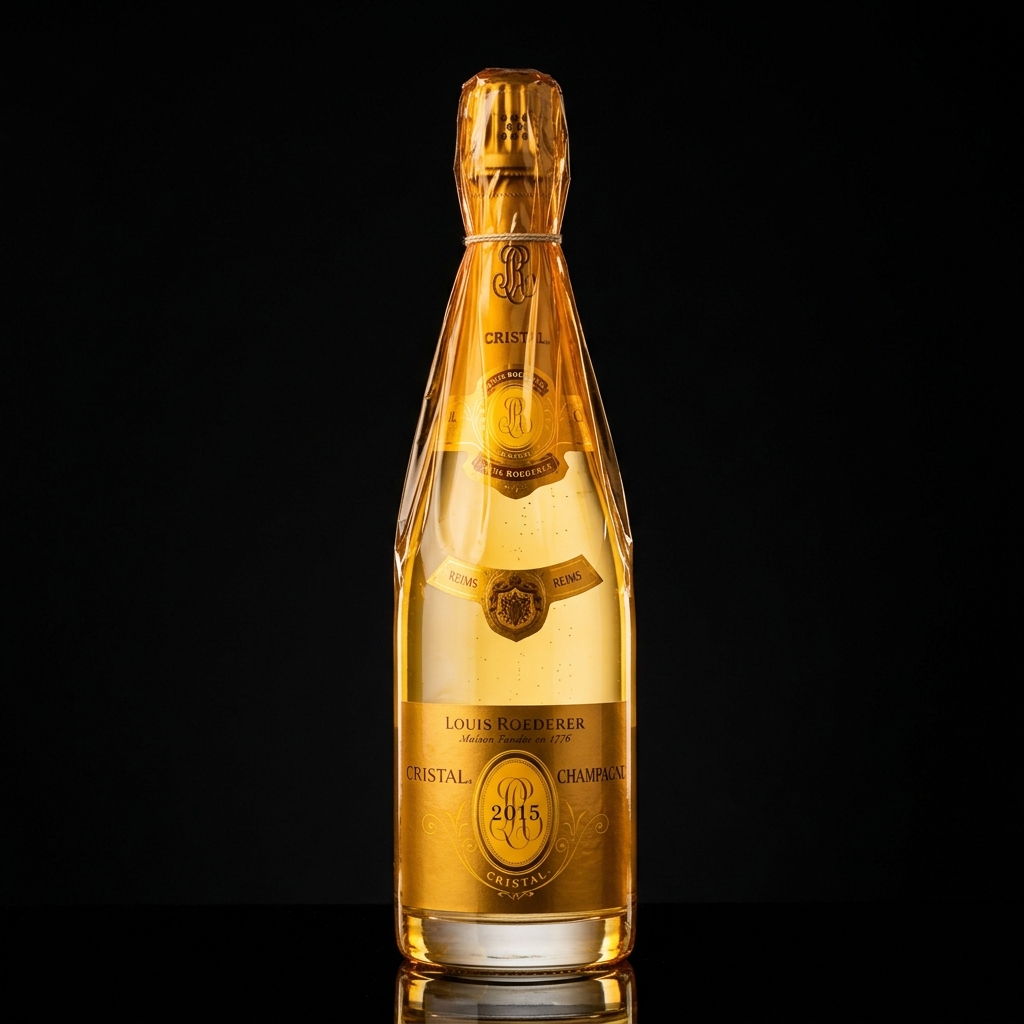
Select the ideal champagne for your celebration or cellar: • Classic Luxury Entertaining ($55–$90): Renowned non-vintage house flagships (Moët & Chandon Impérial Brut, Bollinger Special Cuvée Brut). • Prestige Icons & Vintage Monuments ($200–$350): World-renowned vintage and multi-vintage prestige cuvées (Dom Pérignon Vintage 2013, Veuve Clicquot La Grande Dame 2015, Krug Grande Cuvée 171, Taittinger Comtes de Champagne 2012, Laurent-Perrier Grand Siècle No. 26). • The Sovereign Aristocrat ($350+): The historic cuvée created for Tsar Alexander II (Louis Roederer Cristal 2015).

Frequently Asked Pre-Purchase Questions

What is the difference between Non-Vintage (NV) and Vintage Champagne?

Non-Vintage Champagne is a blend of wines from multiple harvest years combined with older reserve wines to maintain a consistent signature house style. Vintage Champagne is produced exclusively from the grapes of a single exceptional harvest year, aged longer on lees, and declared only when weather conditions produce extraordinary fruit.

What does "Blanc de Blancs" mean?

Blanc de Blancs translates to "white from whites," meaning the champagne is crafted 100% from white Chardonnay grapes. These champagnes are prized for their crystalline elegance, citrus freshness, white floral aromatics, and profound chalk minerality.

Why should fine Champagne be served in a white wine glass instead of a narrow flute?

While narrow flutes preserve bubbles, they severely restrict airflow, trapping complex aromas. Serving fine vintage Champagne in a tulip-shaped glass or standard white wine glass allows the complex bouquet of toasted brioche, hazelnut, and stone fruit to expand and aerate.

How long can unopened vintage Champagne be cellared?

Well-stored prestige and vintage Champagnes (like Dom Pérignon, Cristal, or Krug) easily age and improve in a cool, dark cellar for 20 to 30+ years, developing rich tertiary notes of honey, dried apricot, roasted nuts, and white truffle.