The Complete Global Fine Wine Buying Guide
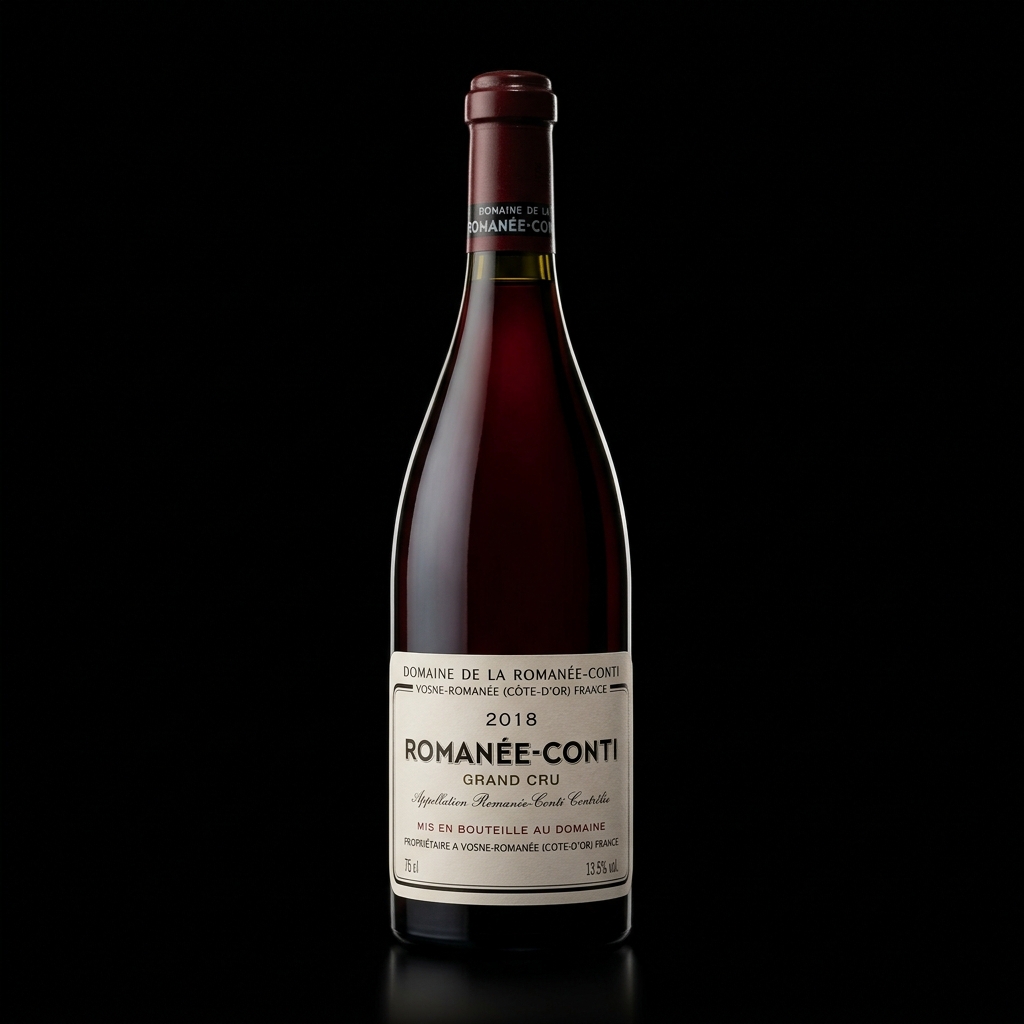
Bordeaux First Growths, Burgundy Grand Crus, Super Tuscans & Napa Icons
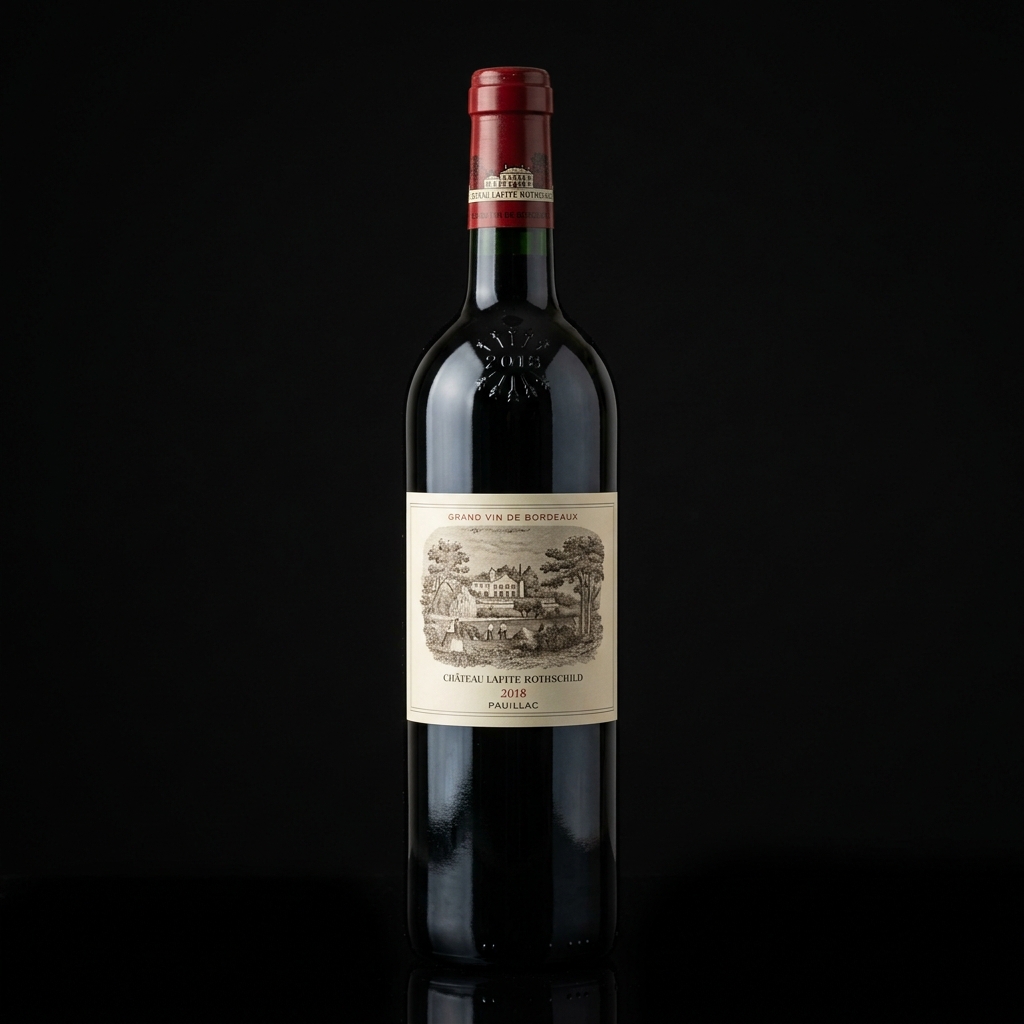
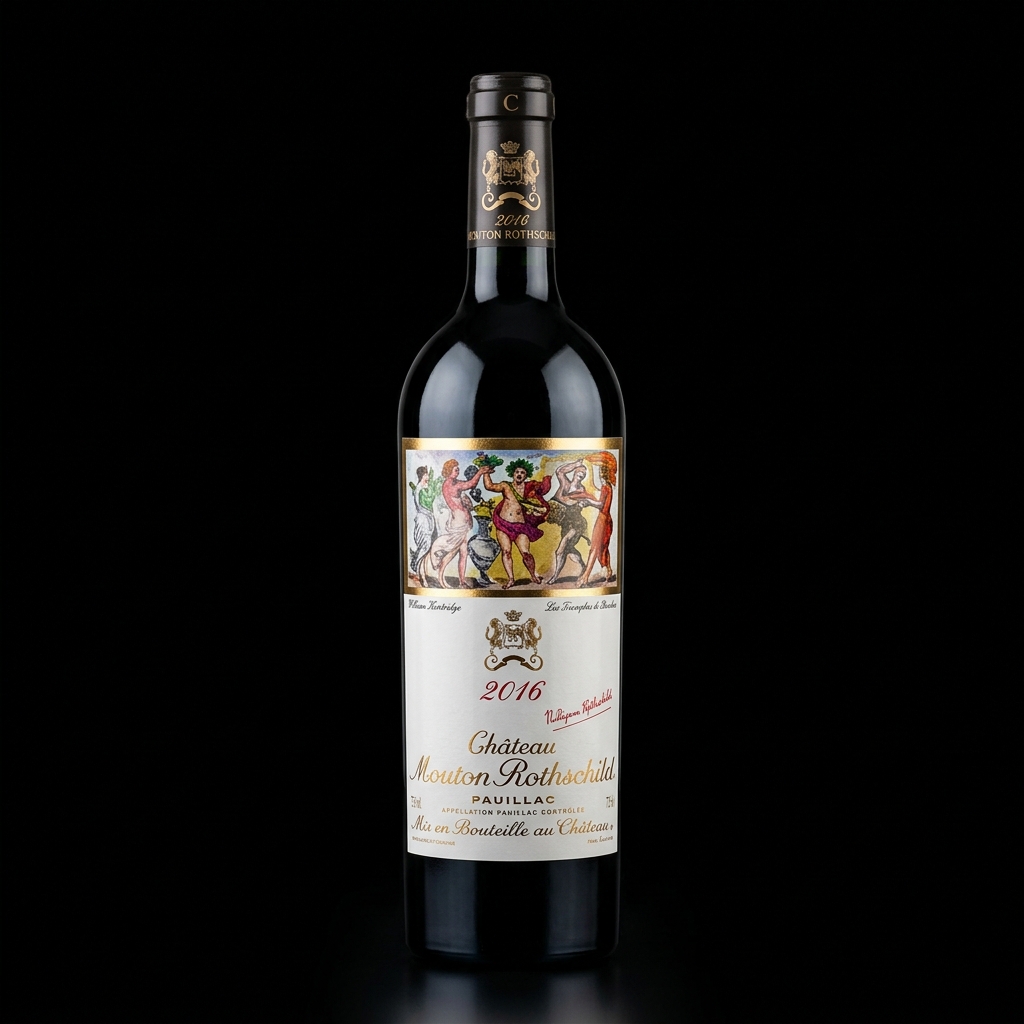
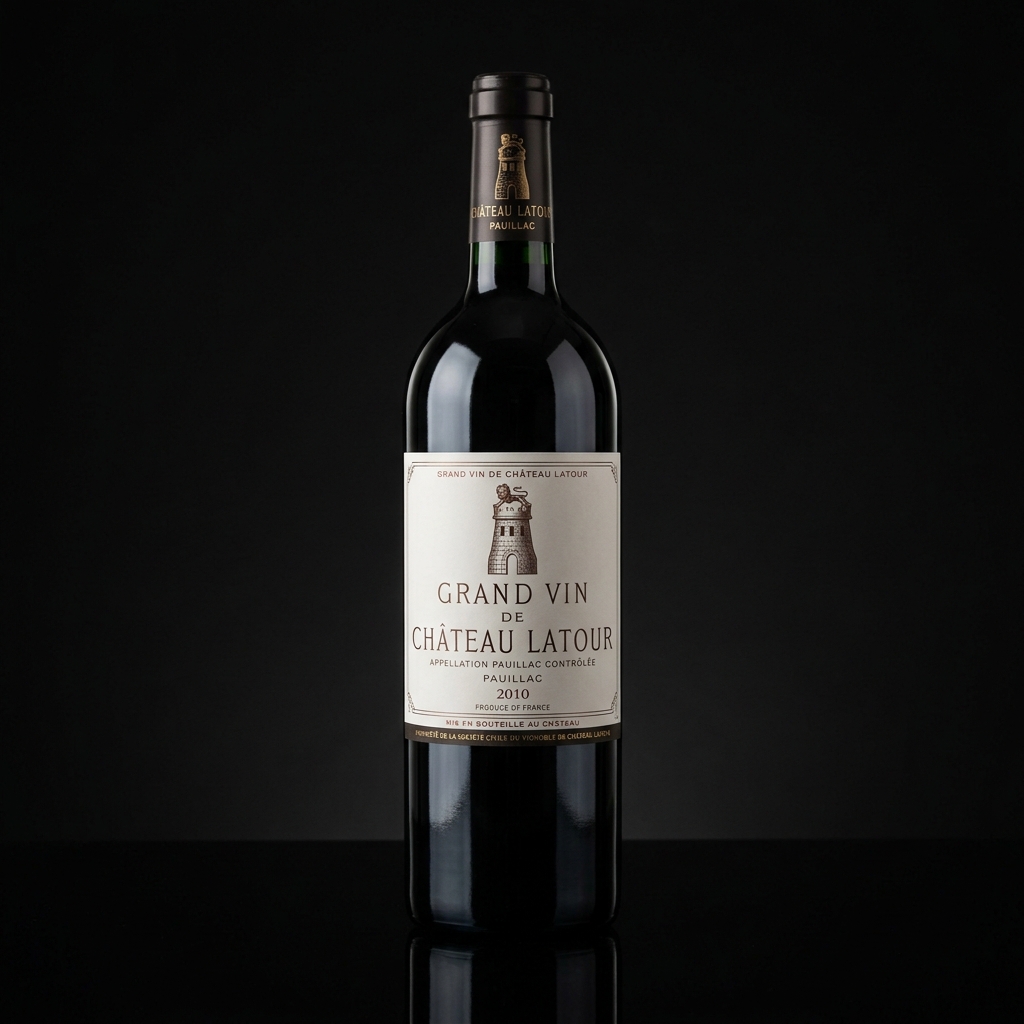
Fine wine is an immortal art form, representing the highest intersection of geological terroir, viticultural dedication, and patient cellar aging. From the historic 1855 First Growths of Bordeaux and the ethereal Grand Crus of Burgundy to the visionary Super Tuscans of Bolgheri and the sun-drenched Cabernet icons of Napa Valley, blue-chip fine wines stand as legendary centerpieces for collectors and investors. This guide provides an authoritative reference for navigating the world's most prestigious estates.
1. The 1855 Bordeaux Classification & Left Bank Cabernet
2. Right Bank Blue Clay & Burgundian Grand Cru Terroir
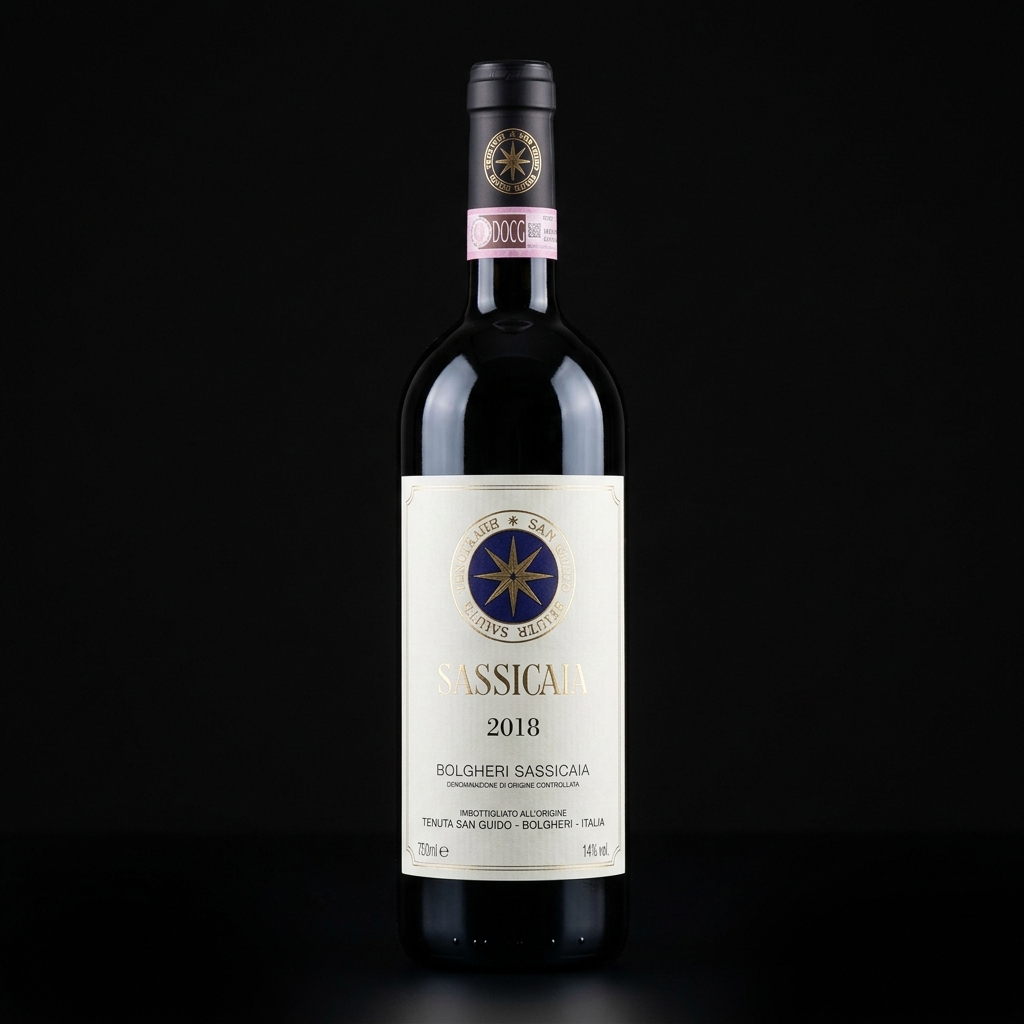
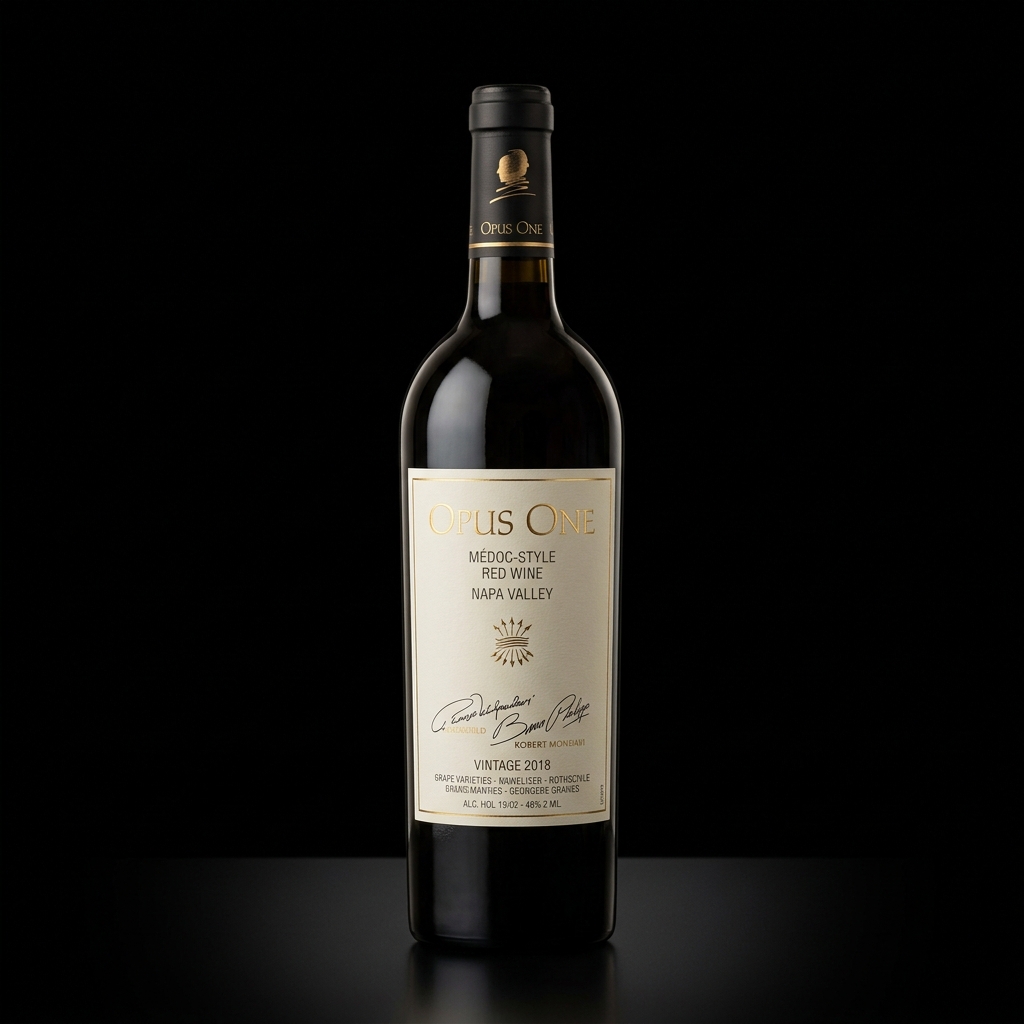
3. Super Tuscans, Napa Valley & Noble Rot Sauternes
4. Collector & Buyer Tier Matrix: How to Choose
Frequently Asked Pre-Purchase Questions
How should fine wine be stored for long-term cellaring? ▼
Fine wine requires a stable, temperature-controlled environment kept between 53°F and 57°F (12°C–14°C) with 65% to 75% relative humidity, away from direct light and physical vibration. Bottles sealed with natural cork must be stored horizontally to keep the cork moist and maintain an airtight seal.
How long should young vs. mature First Growth Bordeaux be decanted? ▼
Young First Growth Bordeaux (under 10–15 years old) benefits from two to four hours in a wide-base decanter to aerate tightly wound tannins and unlock fruit aromatics. Mature vintages (20+ years) should be decanted gently for 30 to 45 minutes immediately before serving, primarily to separate clear wine from sediment.
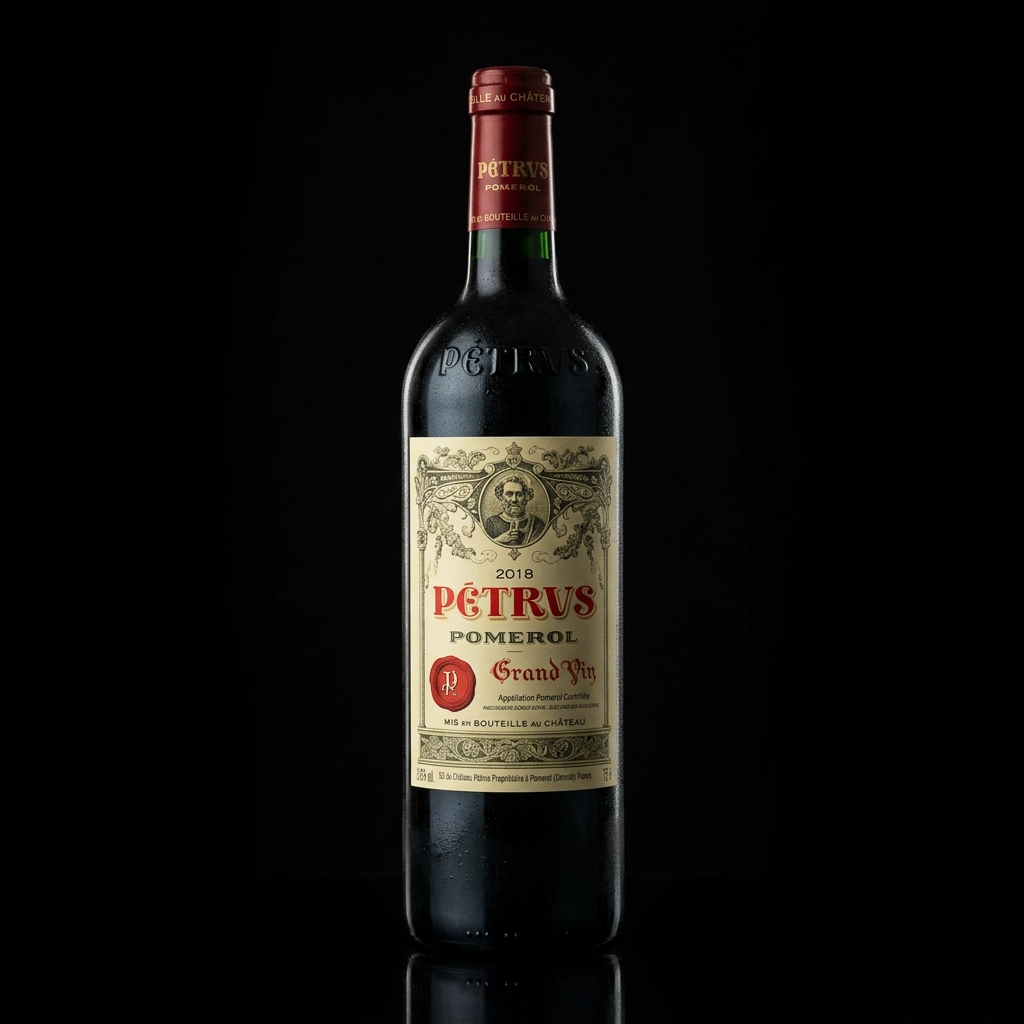
What makes the blue clay soil of Pétrus so unique in the wine world? ▼
Pétrus sits upon a rare, 20-hectare geological buttonhole of 40-million-year-old smectite blue clay. Unlike gravel, this expanding clay absorbs and stores water during wet periods, releasing hydration slowly to Merlot vines during scorching summers while maintaining cool root temperatures, resulting in uniquely velvety, ultra-refined tannins.
What is "noble rot" and why does it make Château d'Yquem so valuable? ▼
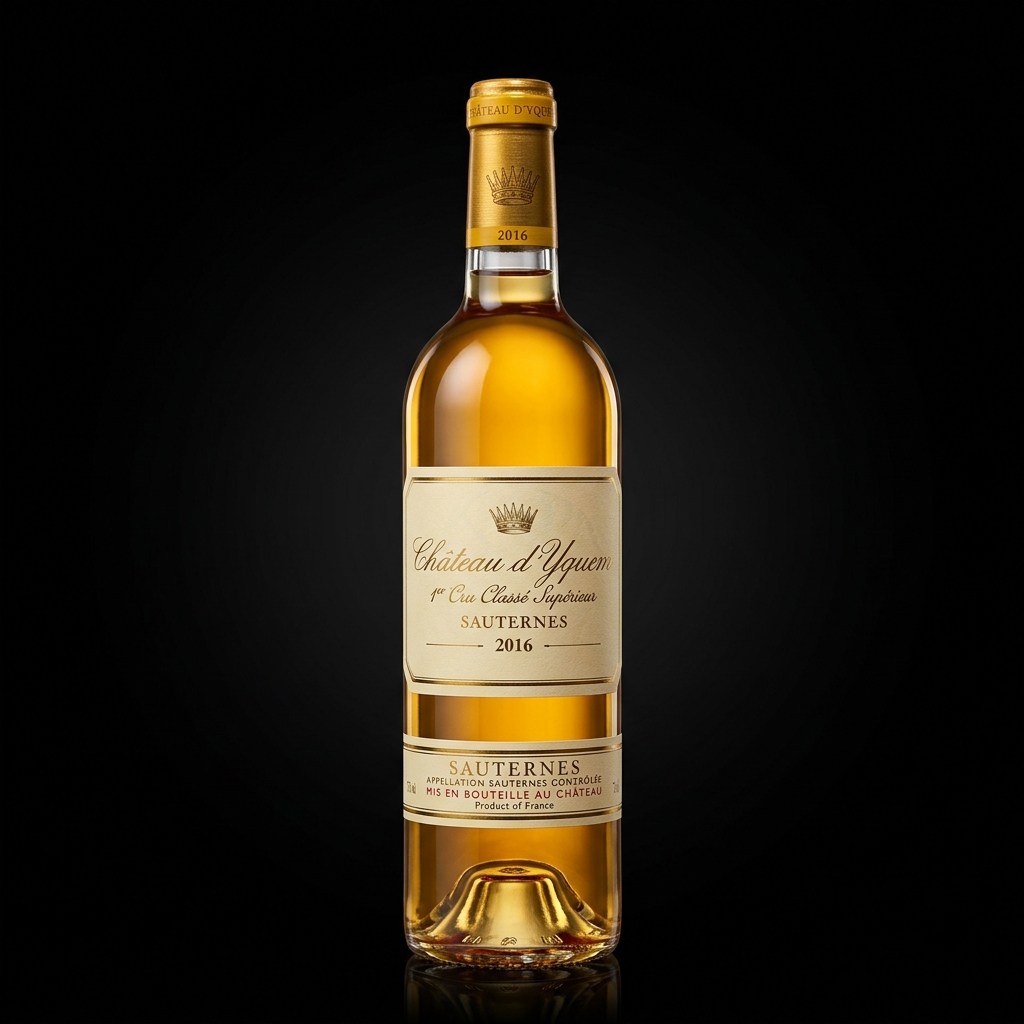
Noble rot (Botrytis cinerea) is a beneficial fungus that develops in misty autumn microclimates. It pierces grape skins and desiccates the fruit, concentrating natural sugars, acidity, and aromatic compounds. Because each vine yields only about a single glass of wine, Yquem represents an extraordinarily low-yield, labor-intensive nectar built to age for over a century.