The Definitive Irish Whiskey Buying Guide
Single Pot Still Heritage, Triple Distillation, Cask Innovation & Buyer Matrix
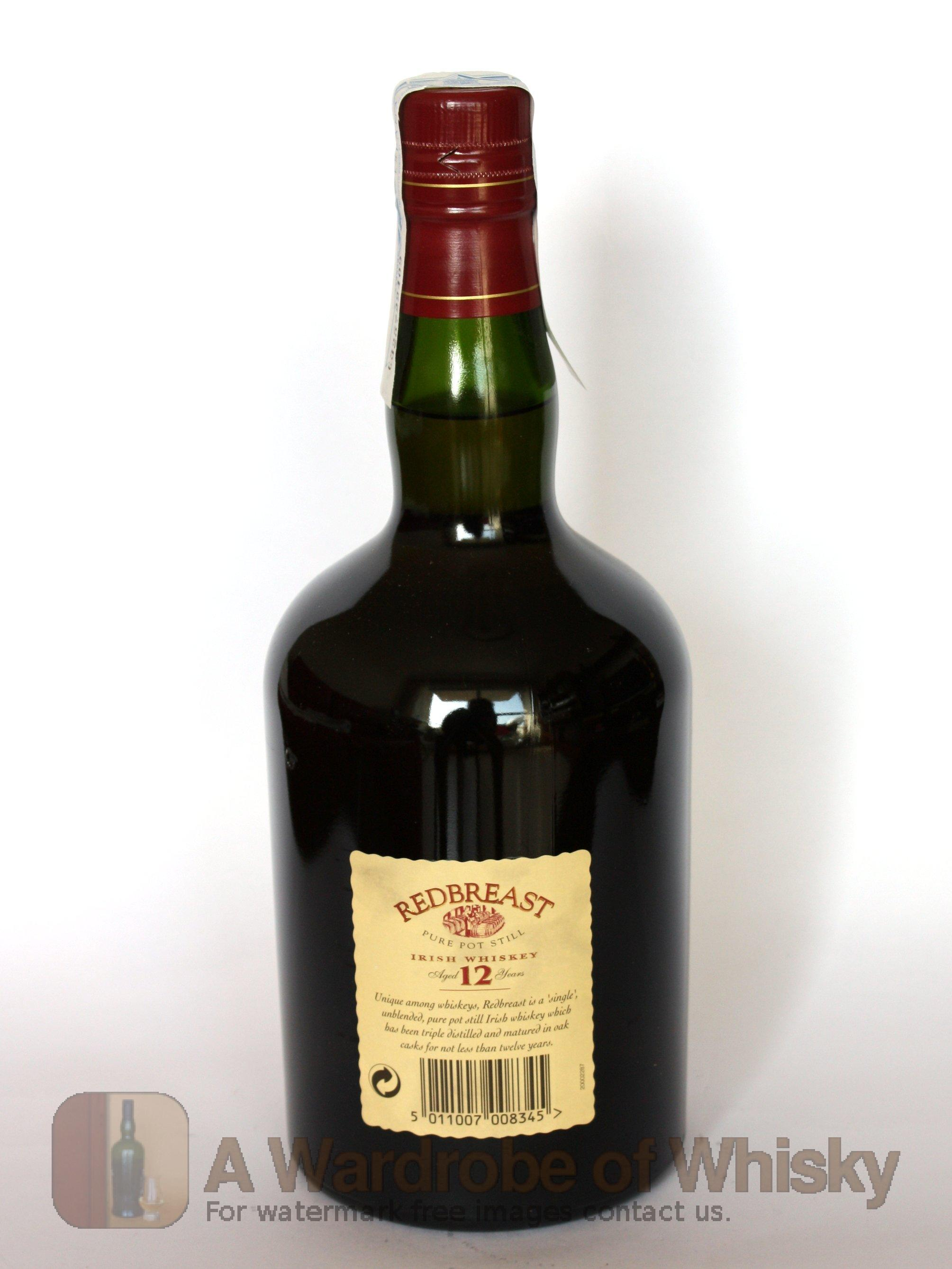
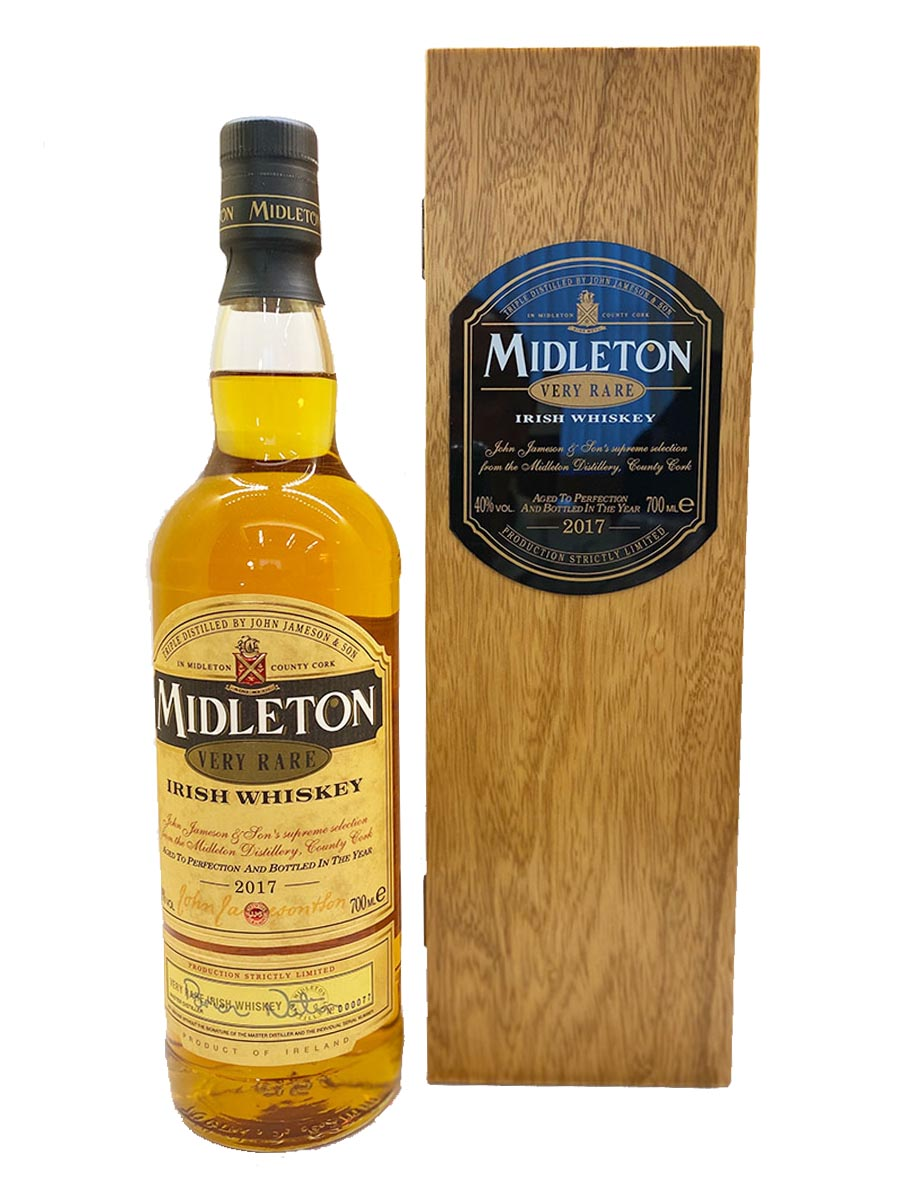
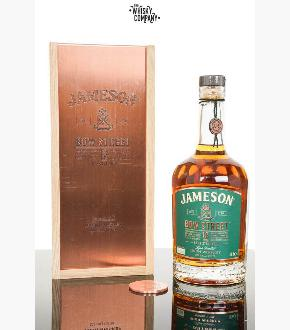
Irish whiskey is enjoying a historic global renaissance, reclaiming its position as one of the most versatile, dynamic, and respected spirit categories in the world. As the birthplace of whiskey distillation in the British Isles—with records dating back to the twelfth century—Ireland offers an extraordinary spectrum of spirits. From creamy, traditional Single Pot Still expressions to fruit-forward single malts and luxurious cask-strength vintage reserves, this guide explores Ireland's greatest distilling treasures.
1. Legal Definition & Geographical Indication Standards
2. The Four Distinct Styles of Irish Whiskey
3. The Triple Distillation Advantage & Cask Mastery
4. Collector & Buyer Tier Matrix: How to Choose
Frequently Asked Pre-Purchase Questions
What is the difference between Single Pot Still and Single Malt Irish whiskey? ▼
Single Malt is made from 100% malted barley. Single Pot Still is made from a traditional Irish mash of both malted barley and unmalted "green" barley. The unmalted barley imparts a distinctively creamy, viscous mouthfeel and a trademark spicy, peppery prickle on the tongue that malted barley alone cannot produce.
Why is most Irish whiskey triple-distilled instead of double-distilled? ▼
Triple distillation passes the liquid through three separate copper pot stills (wash still, feints still, spirit still). This extra distillation stage removes heavier oily congeners and purifies the spirit, yielding an exceptionally clean, smooth distillate packed with delicate floral and orchard fruit esters.
Is Irish whiskey always smoother and sweeter than Scotch whisky? ▼
Generally, yes. Because most Irish whiskeys are triple-distilled and unpeated (drying barley in closed kilns without peat smoke), they exhibit a lighter, smoother, and more fruit-forward baseline than heavily peated or smoky Scottish single malts.
What was a "whiskey bonder" in Irish distilling history? ▼
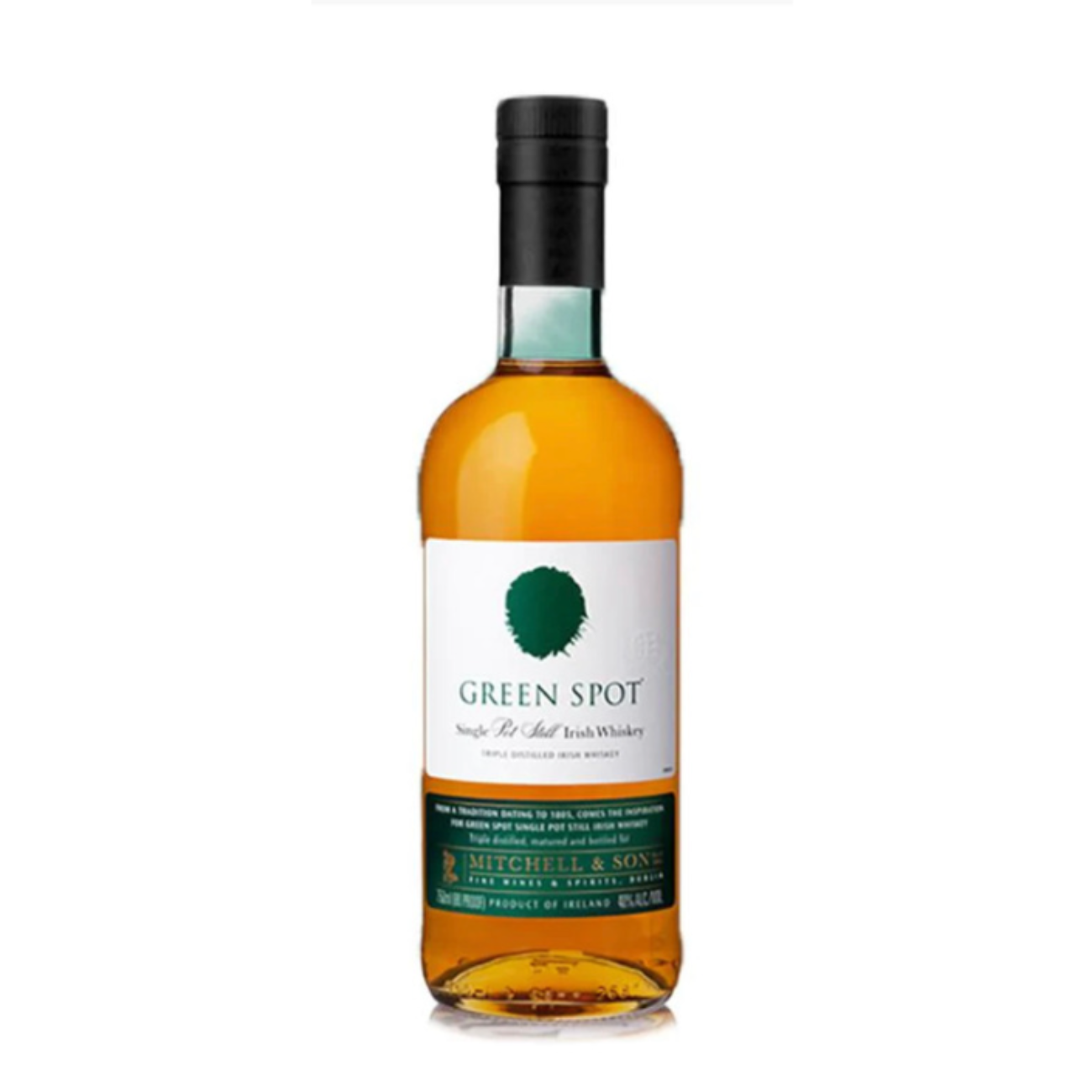
In the 19th and early 20th centuries, Irish distilleries sold fresh new-make spirit directly to wine merchants and grocers ("bonders"). These merchants filled their own imported sherry, port, and wine casks, aging the whiskey in subterranean cellars and bottling under their own labels, creating legendary brands like Green Spot.